

სრული სარემონტო სამუშაოები
Negotiable price More than 5 years
 Tbilisi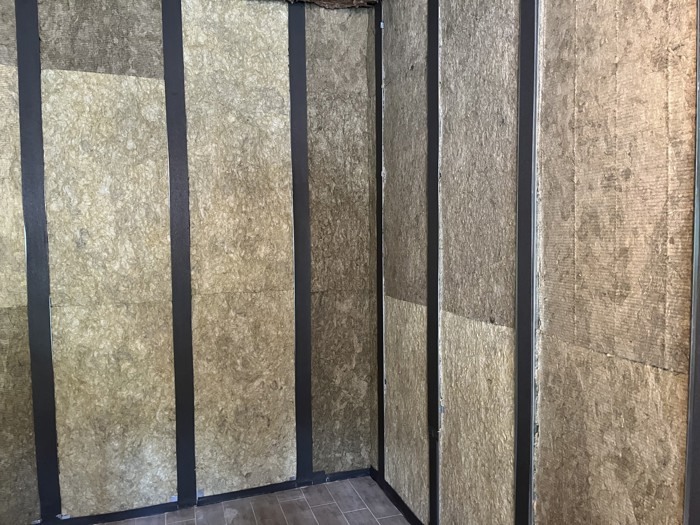
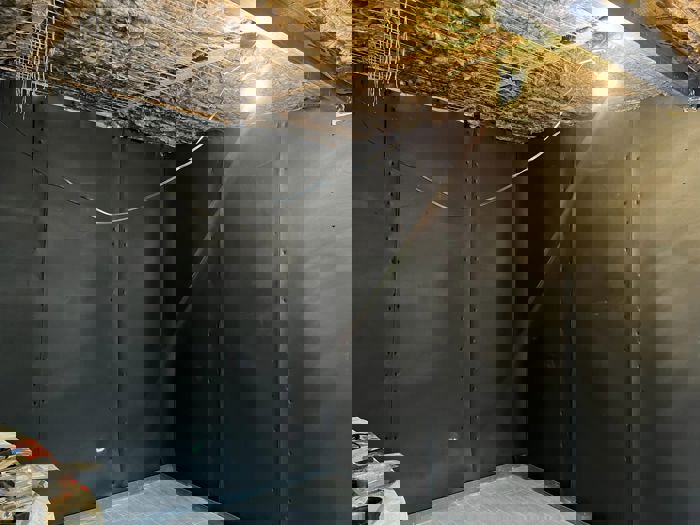
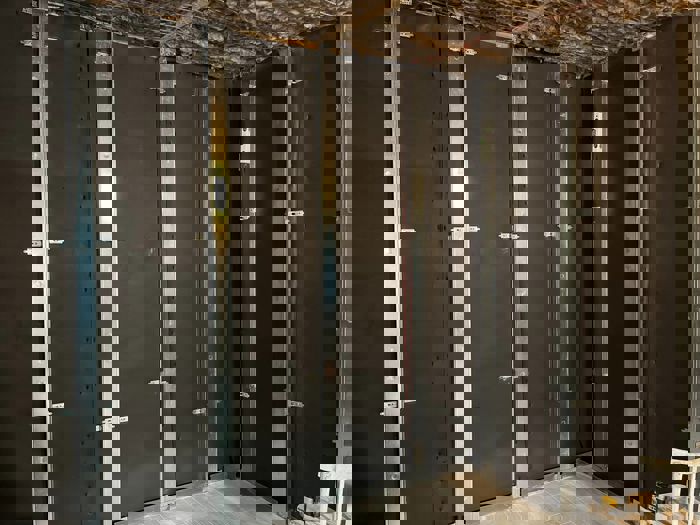
ხმის იზოლაცია ბინებში
Negotiable priceUp to 5 yearsTbilisiTips Before Starting Soundproofing Works
Determining the type of noise
Accurately identify the type of noise that bothers you — airborne noise (talking, TV, dog barking) or structural/impact noise (footsteps, moving furniture, drilling). Different types of noise require completely different insulation materials.
Comprehensive approach
Insulating the wall alone is often insufficient, as sound waves travel structurally to the ceiling and floor as well. For the best results, a comprehensive covering of the problematic zones is necessary.
Combination of materials
Effective soundproofing relies on a combination of two material types: sound-absorbing (porous materials, e.g., specialized rockwool) and sound-reflecting/barrier (heavy, dense materials, e.g., soundproofing membranes).
Preventing acoustic bridges
During installation, metal profiles must not directly touch the wall or ceiling. The craftsman must use specialized vibration isolation hangers and damper tapes; otherwise, the sound will still transfer from the wall to the metal frame.
Sockets and utilities
Wall outlets and switches are major conductors of sound. When installing soundproofing, standard electrical boxes should be replaced with specialized acoustic backing boxes.
Reclaim your peace of mind
Find certified soundproofing and acoustics specialists based on authentic experience and portfolios on the platform: services.ss.ge
Frequently Asked Questions - Soundproofing
Muffling footsteps from the upstairs neighbor is the most challenging task. For a perfect result, the insulation should be installed directly under the flooring (beneath the screed) of the upstairs neighbor. If that is not possible, installing a vibration-isolated suspended ceiling system in your apartment can significantly reduce the noise (by 60% to 80% on average).
Thermal insulation materials (such as standard styrofoam or XPS) are lightweight and contain air bubbles; they retain temperature well but block almost no sound. Soundproofing, on the other hand, requires materials with a specific fibrous structure combined with heavy, high-density barriers.
The thickness of an effective soundproofing system typically ranges from 5 to 10 cm, depending on the materials used (frame, rockwool, membrane, acoustic drywall). Ultra-thin systems (2 to 3 cm) do exist, but their efficiency is relatively lower.