

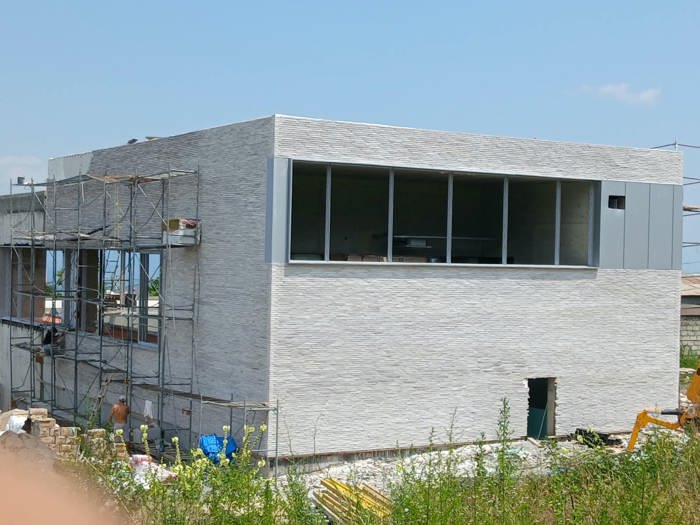
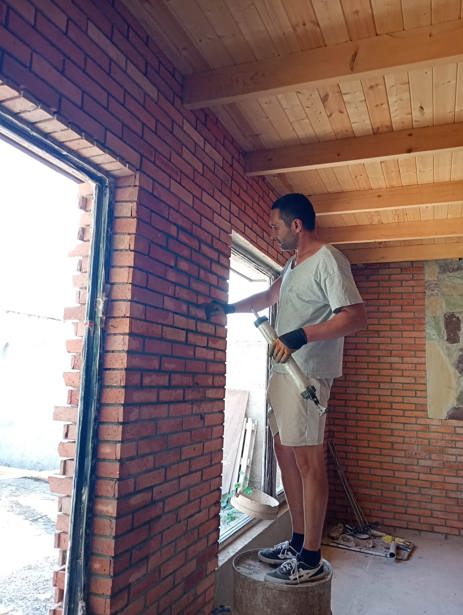
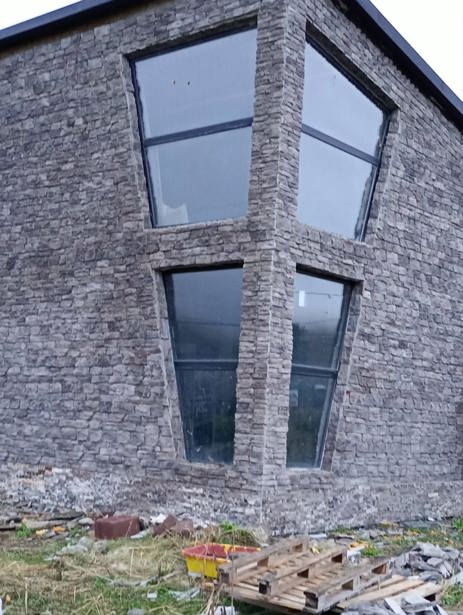
გარეფასადის მოპირკეთება
Negotiable price More than 5 years
 Tbilisi, Saburtalo
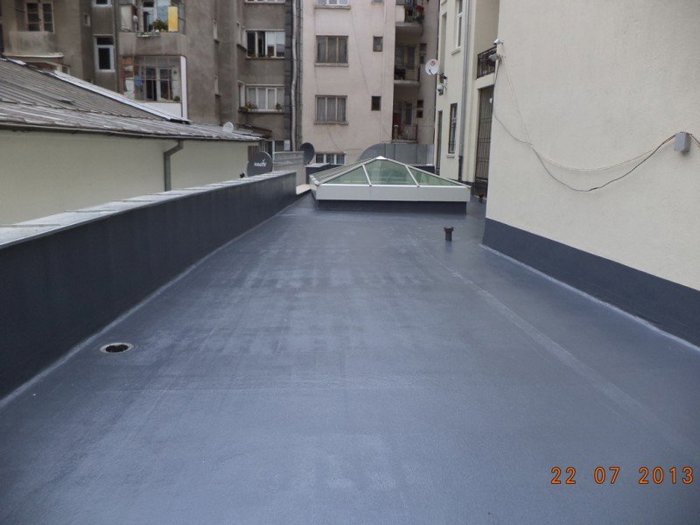
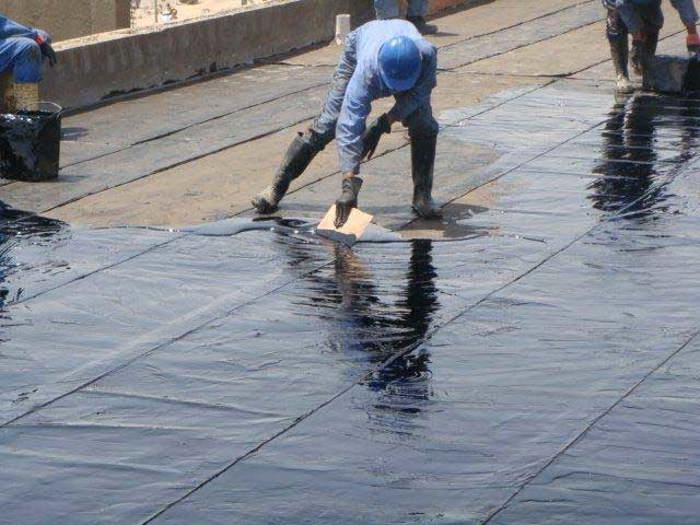
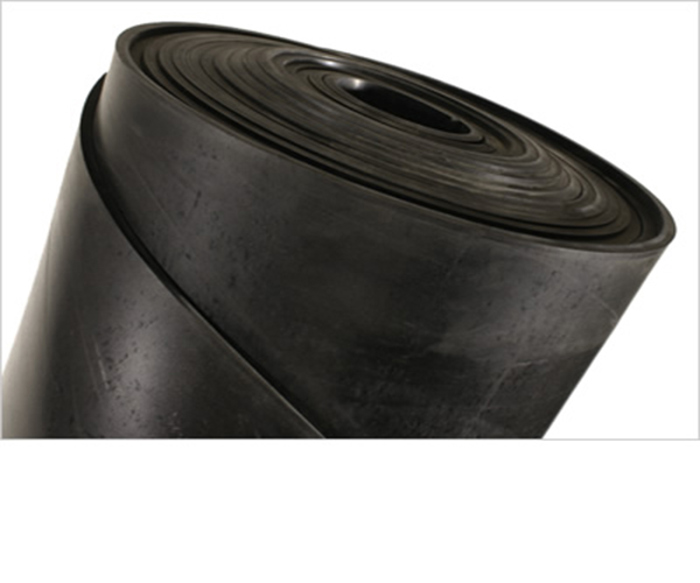
ბრტყელი გადახურვა კაუჩუკოვანი ტოლი
Negotiable priceMore than 5 yearsTbilisi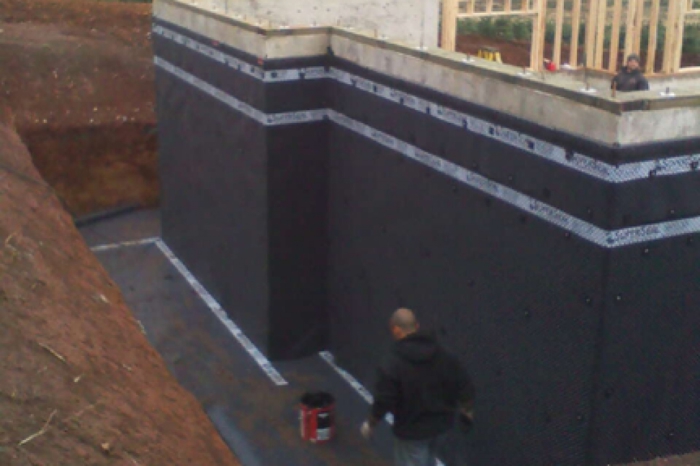
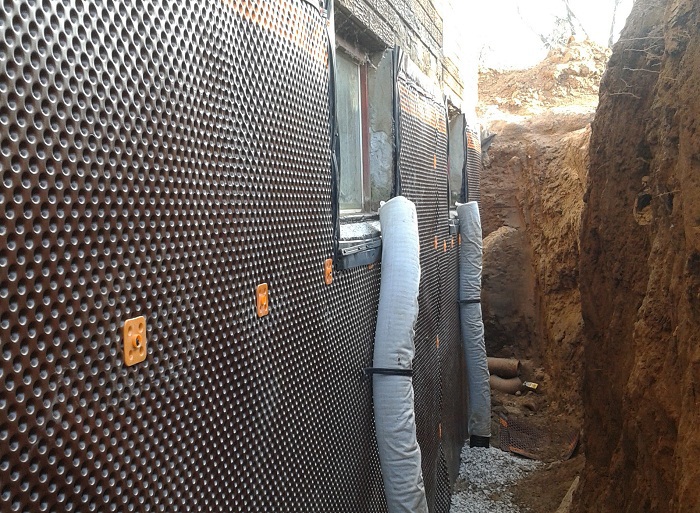
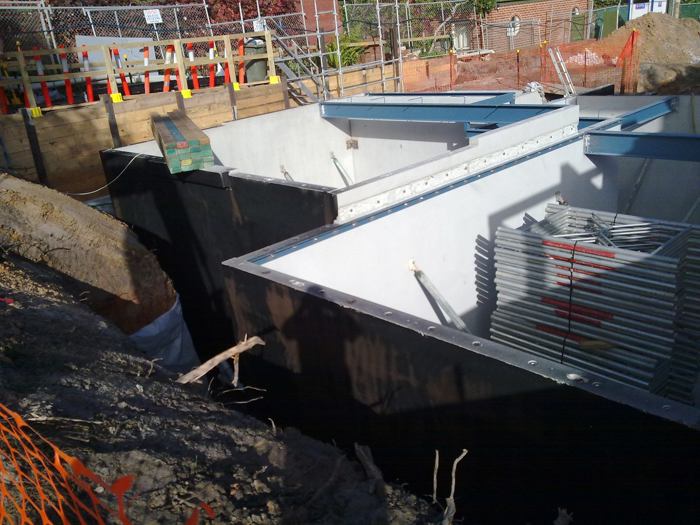
საძირკვლების ჰიდროიზოლაცია
Negotiable priceMore than 5 yearsTbilisiTips Before Starting Waterproofing Works
Flawless surface preparation
Before applying waterproofing, the concrete or block surface must be thoroughly cleaned of dust, oils, and loose particles. Any cracks or pits must be pre-filled with specialized repair mortar, and a rounded fillet (chamfer) must be created in the corners.
Determining moisture and water pressure types
It is crucial to determine what type of water pressure you are dealing with — positive pressure (when water presses against the insulation layer from the outside) or negative pressure (when water seeps into a basement from the inside). Different types of pressure require entirely different materials and approaches.
Reinforcing joints and corners
When applying insulating materials (especially elastic cementitious or liquid membranes), it is essential to embed a specialized waterproofing tape and mesh at the wall-to-floor junctions (corners), as these zones are most prone to damage during building settlement.
Treating areas around utility pipes
In wet rooms and swimming pools, the highest risk of water leakage occurs where plastic pipes penetrate the concrete. It is mandatory to use specialized swelling (bentonite) water stops or hydrophobic sealants around these pipes.
Hydro-testing (Inspection)
Before starting any finishing works (laying tiles on walls or floors, or tiling a terrace), a flood test is mandatory. The area (e.g., bathroom floor or terrace) must be filled with water for at least 24 to 48 hours to ensure 100% system reliability.
Protect your home from moisture and water
Find certified waterproofing specialists and experienced masters for sealing pools and terraces on the platform: services.ss.ge
ბრტყელი გადახურვა, თერმოიზოლაცია
Negotiable priceMore than 5 years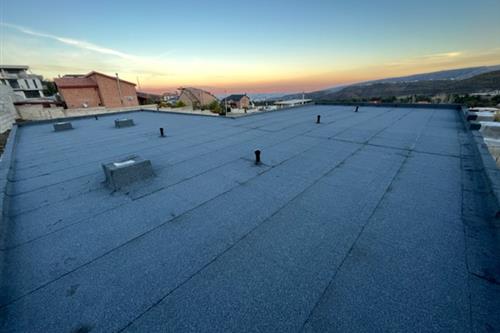
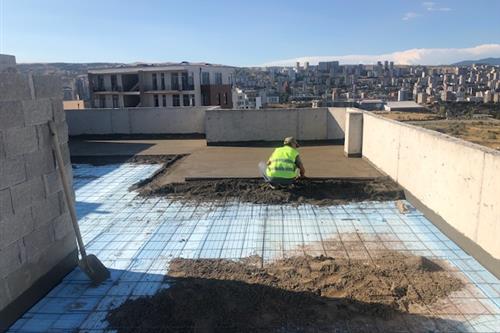
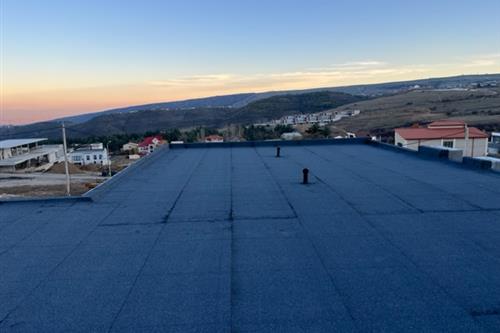
ჰიდროსაიზოლაციო სამუშაოები
Negotiable priceMore than 5 yearsTbilisi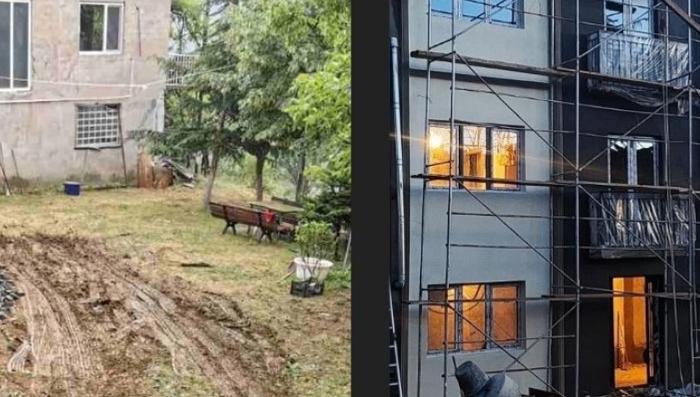
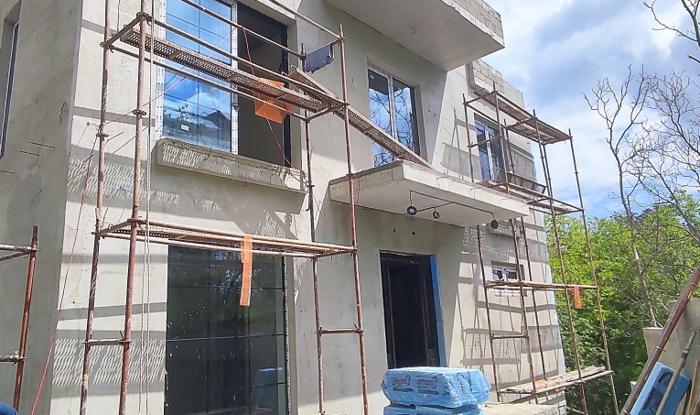
დათბუნება ესპანკა მიუხენი
Negotiable priceMore than 5 yearsTbilisi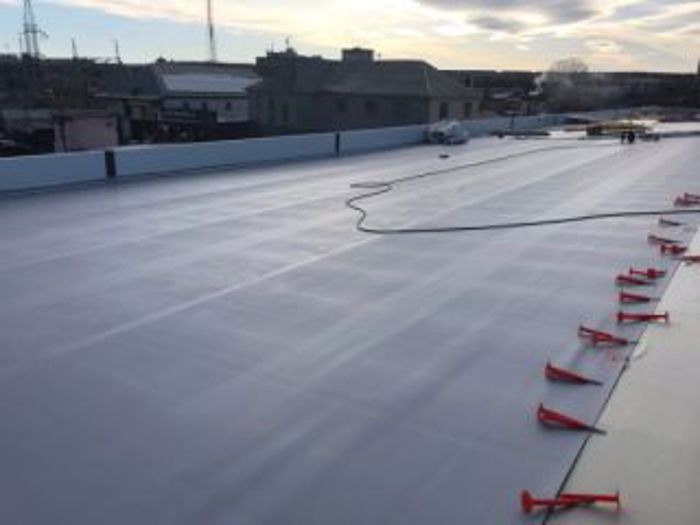
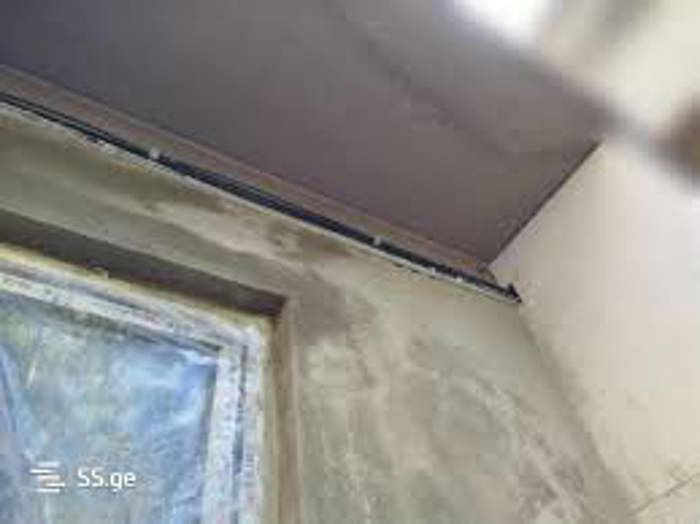
ჰიდროსაიზოლაციო სამუშაოები და ქვიშა-ცემენტის ხსნარით მოხვეწა (სტიაჟკა)
Negotiable priceMore than 5 years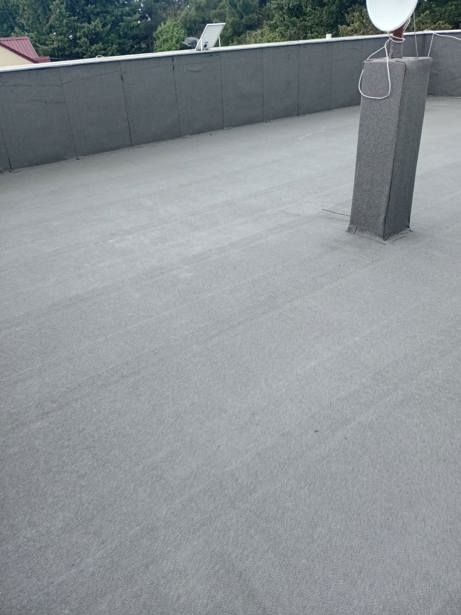
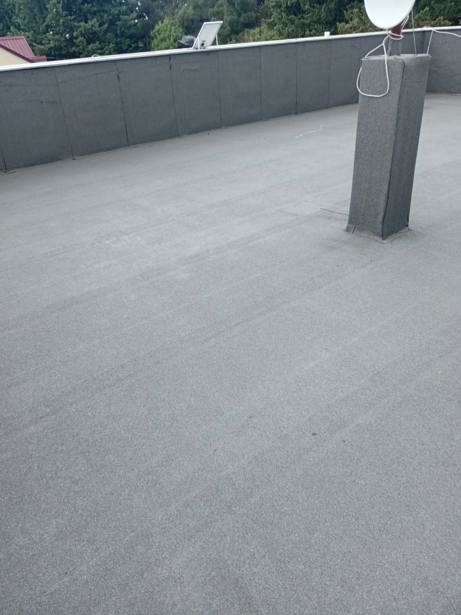
ტოლით გადახურვა ,ჰიდროიზოლაცია
Negotiable priceMore than 5 yearsTbilisi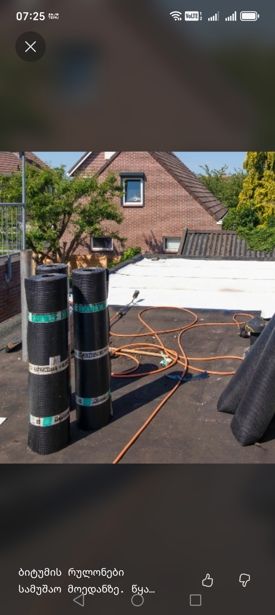
ჰიდროიზოლაციის სამუშაოები
Negotiable priceMore than 5 yearsTbilisi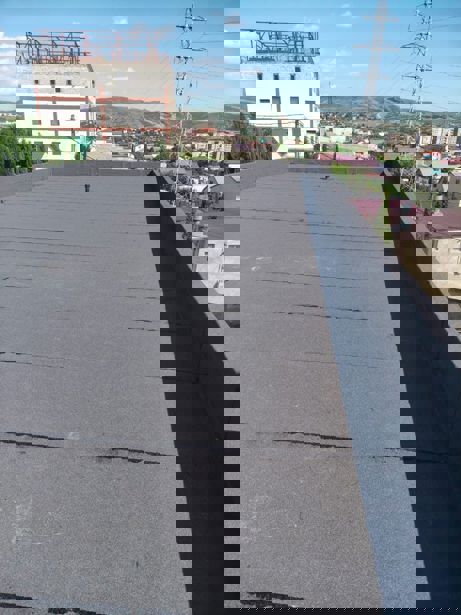
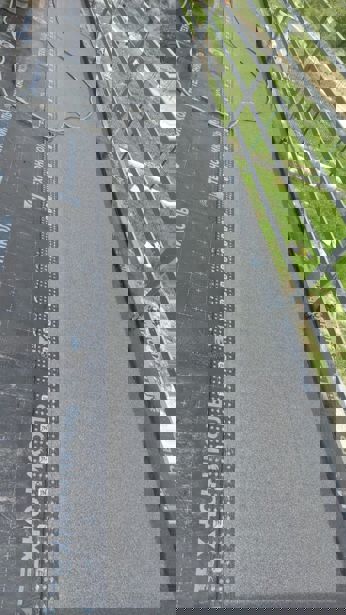
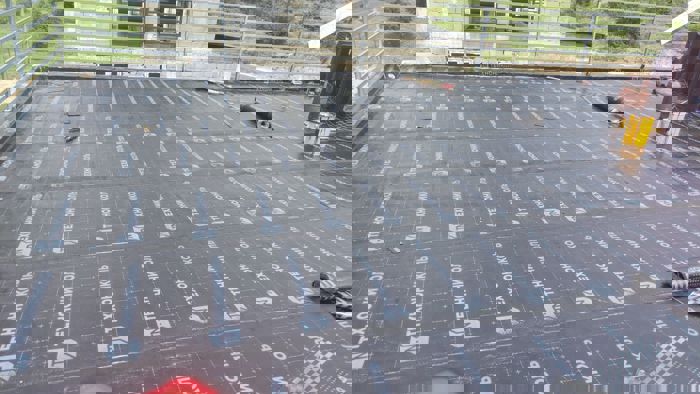
ტოლის დაგება, ჰიდროიზოლაცია, სახურავის გადახურვა
Negotiable priceMore than 5 yearsTbilisi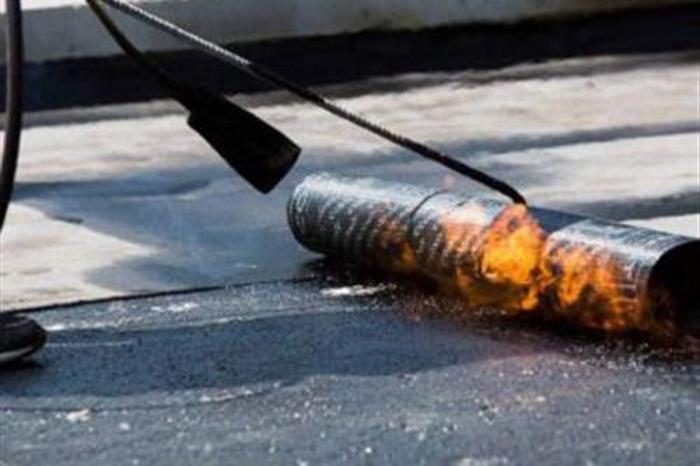
სახურავის ჰიდროიზოლაცია
Negotiable priceMore than 5 years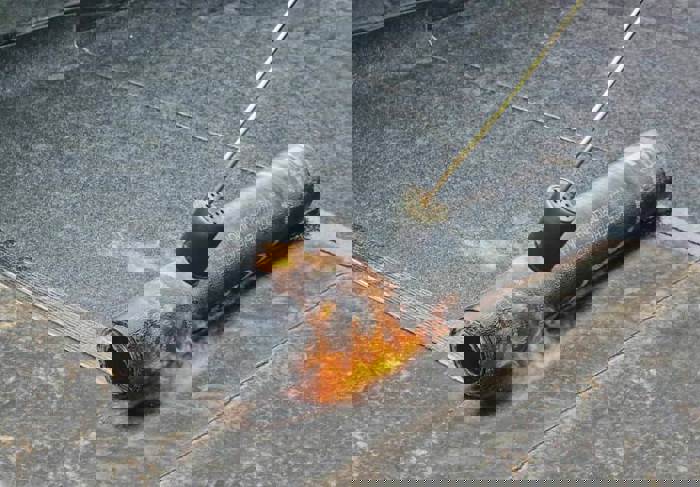
ტოლის დაგება, ტოლით გადახურვა, ჰიდროიზოლაცია
Negotiable priceMore than 5 yearsTbilisi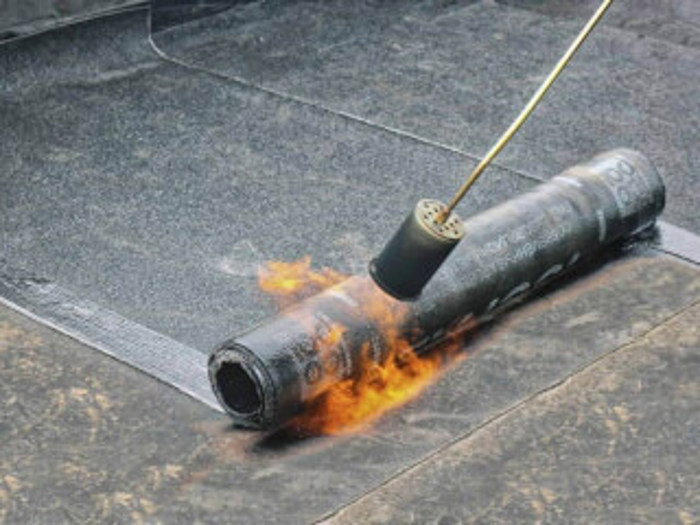
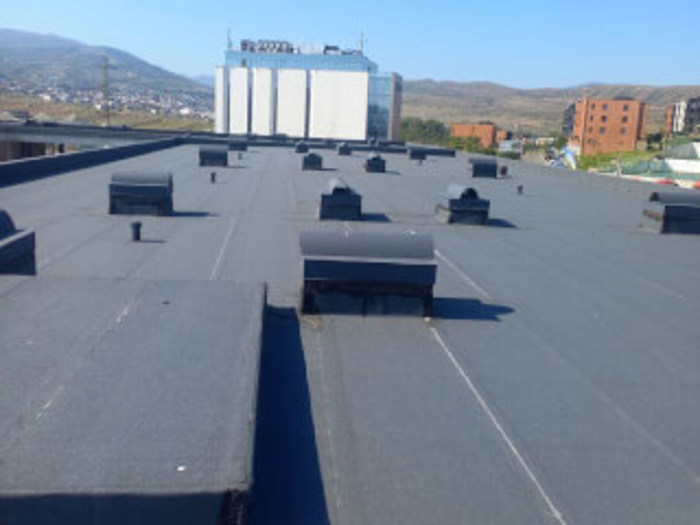
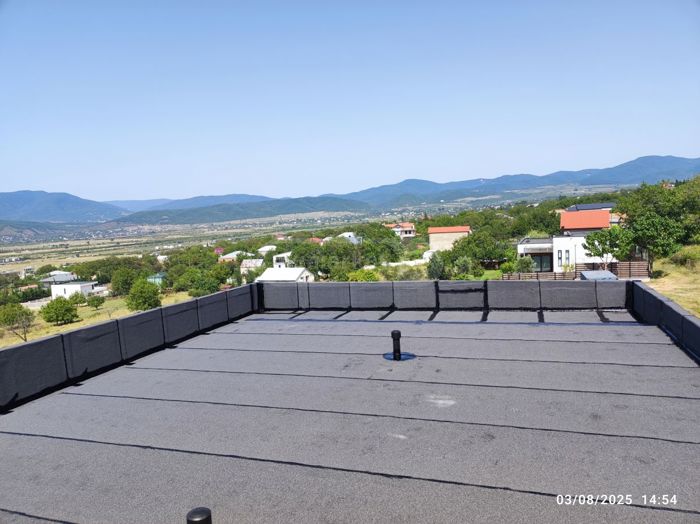
ჰიდროიზოლაცია ტოლით გადახურვა
Negotiable priceMore than 5 yearsTbilisiFrequently Asked Questions - Waterproofing Works
Bituminous (roll-on/sheet) materials are ideal for underground works, foundations, and flat roofs because they are highly durable and withstand groundwater pressure. On the other hand, cementitious (two-component) elastic waterproofing is best for wet rooms, balconies, and swimming pools because tiles can be laid directly onto it using tile adhesive.
Yes, it is possible using specialized materials designed for negative water pressure, such as penetrative (penetrating) waterproofing. This material penetrates deep into the concrete pores, reacts with water, and blocks capillaries from the inside. However, for ideal results, it is always better to wrap the foundation from the outside during the initial construction phase.
PVC and TPO membranes are modern, premium-quality polymer insulation layers used for covering flat roofs, large terraces, and underground parking structures. They are characterized by extreme durability (30 to 50 years), elasticity, and UV resistance, and their seams are welded together using hot air with specialized equipment.