

ქვის ხელოსანი
Negotiable price More than 5 years
 Tbilisi
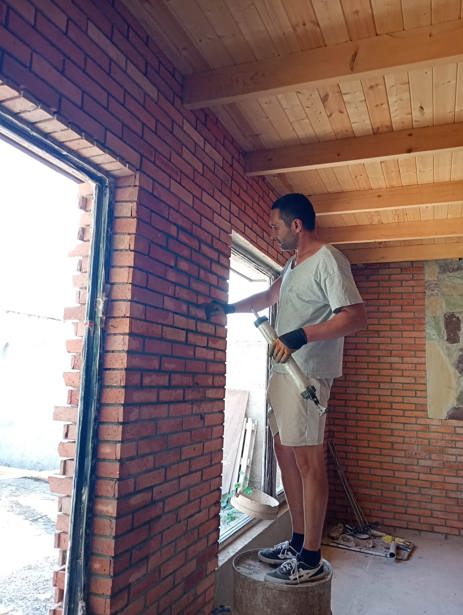
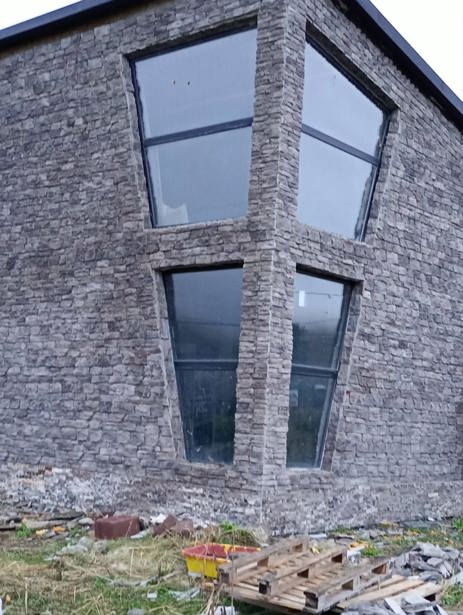
გარეფასადის მოპირკეთება
Negotiable priceMore than 5 yearsTbilisi, Saburtalo
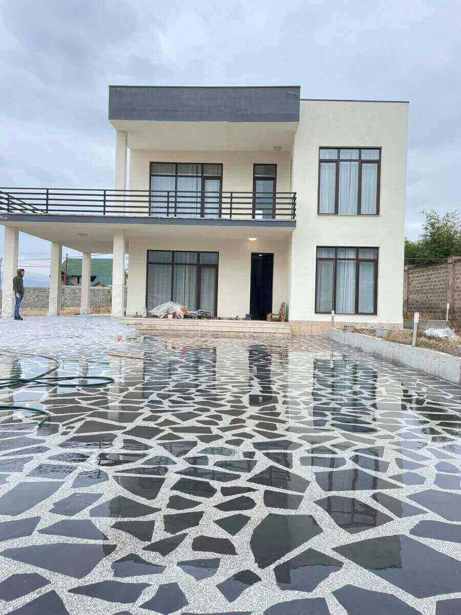
მოზაიკის დასხმა
80 ₾More than 5 yearsTbilisiTips Before Starting Stone Processing and Installation
Correct selection of stone type by purpose
Not every stone can be used everywhere. Marble is highly aesthetic, but it is soft and porous, making it less recommended for kitchen countertops. For kitchens and high-traffic areas, durable granite, quartz, or porcelain stoneware are the best choices, while travertine is ideal for facades. Surface
preparation and tile adhesive
Standard tile adhesive will not suffice when installing heavy stone slabs (especially on floors and walls). It is essential to use highly elastic and high-adhesion specialized adhesives (Class S_1 or S_2) to prevent the stone from loosening or falling off over time.
Protective treatment ( Hydrophobization )
Natural stones (marble, travertine, basalt) have a porous structure. Immediately after installation is complete, the surface must be treated with a specialized water- and oil-repellent penetrant (sealer). This protects the stone from stains, moisture, and discoloration.
Mechanical fastening at heights
When installing large, heavy stone slabs on facades, relying solely on adhesive is a violation of safety regulations. When working at heights above 3 meters, it is mandatory to use a combined or fully mechanical fastening system - using specialized metal anchors, profiles, and brackets (the so-called ventilated facade system).
Joint processing (Grouting)
To fill the seams between stone slabs, a specialized two-component epoxy grout or stone adhesive-paste is used, which perfectly matches the tone of the stone. Improperly filled joints allow water to penetrate the stone, causing it to crack during freezing winter temperatures.💡 Trust true masters of stone: Find marble, granite, and quartz processing workshops, facade cladding experts, and stone carving professionals on the platform: services.ss.ge
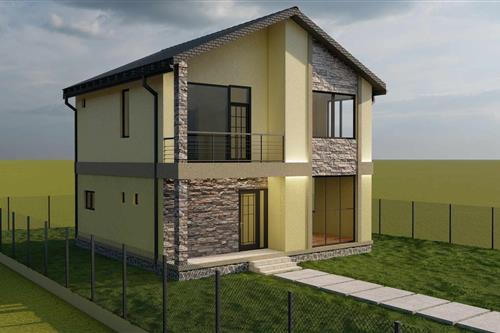
ქვის და ბლოკის ხელოსანი
Negotiable priceMore than 5 yearsTbilisi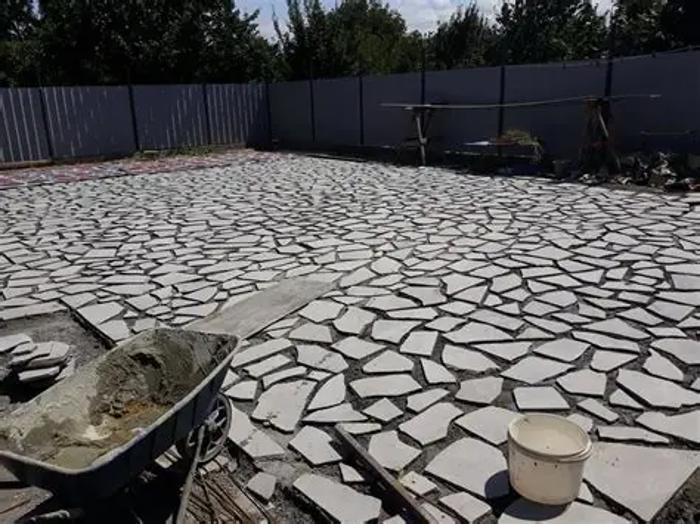
ბაზალტის ქვის დაგება მოშლიფვა
Negotiable priceMore than 5 yearsTbilisi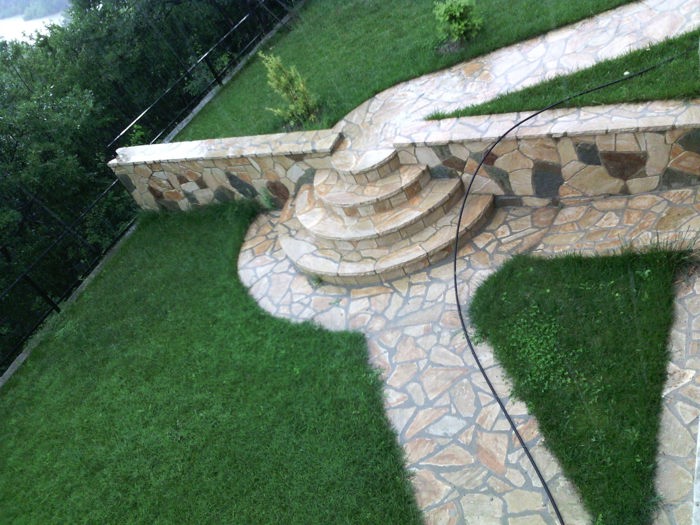
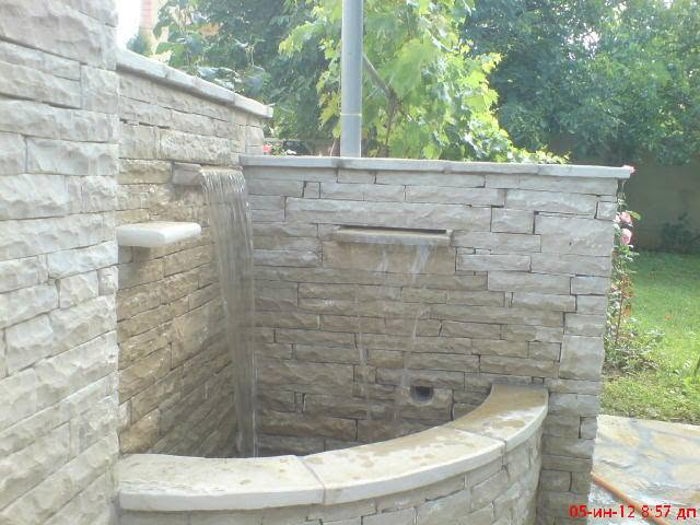
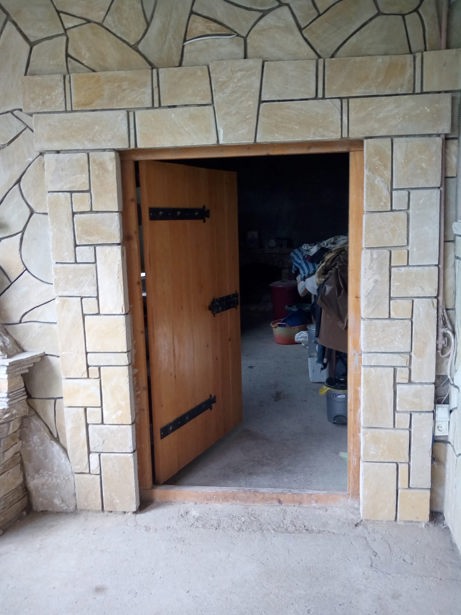
ქვის ხელოსანი / ქვის ხელობა
Negotiable priceMore than 5 years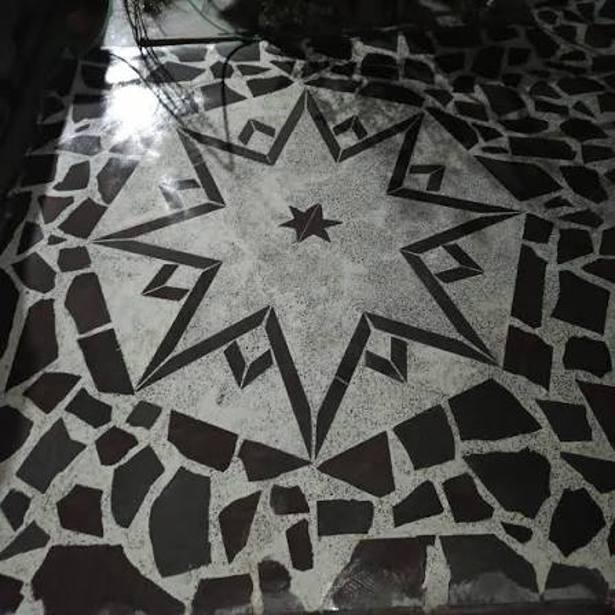
ბუნებრივი ქვის ხელოსანი
Negotiable priceMore than 5 yearsTbilisi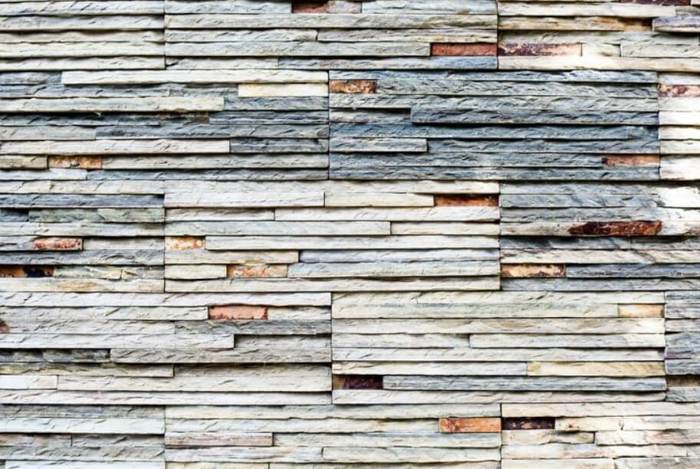
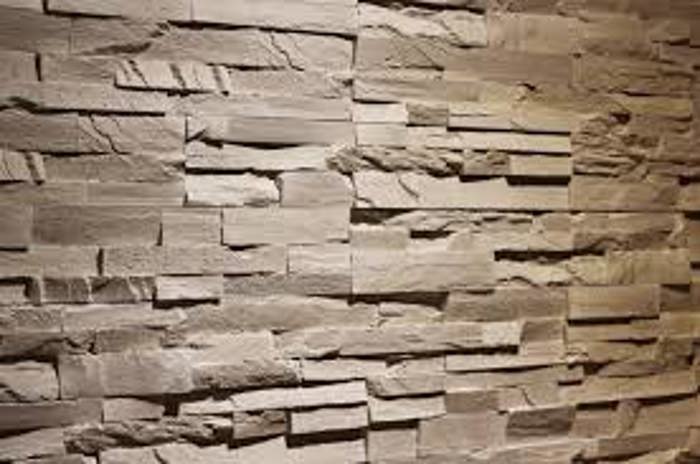
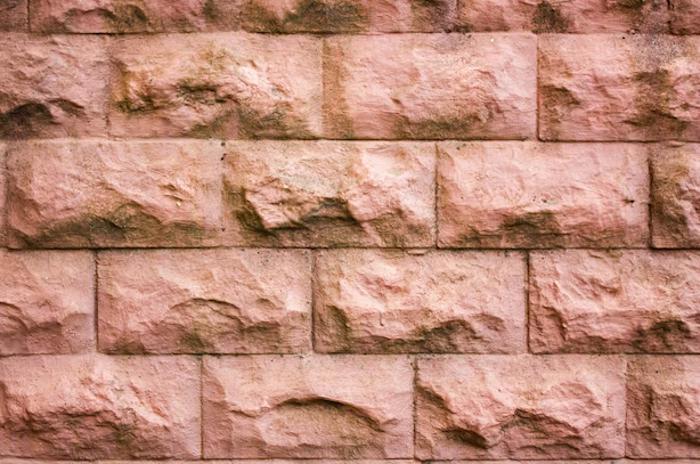
ბუნებრივი ქვით მოპირკეთება
Negotiable priceMore than 5 yearsTbilisi
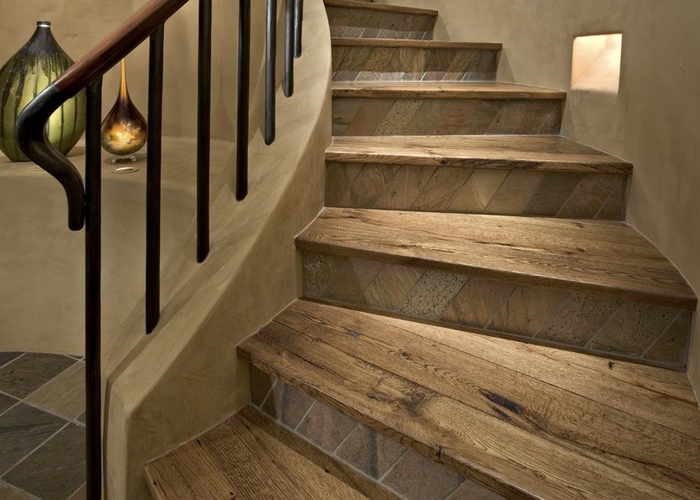
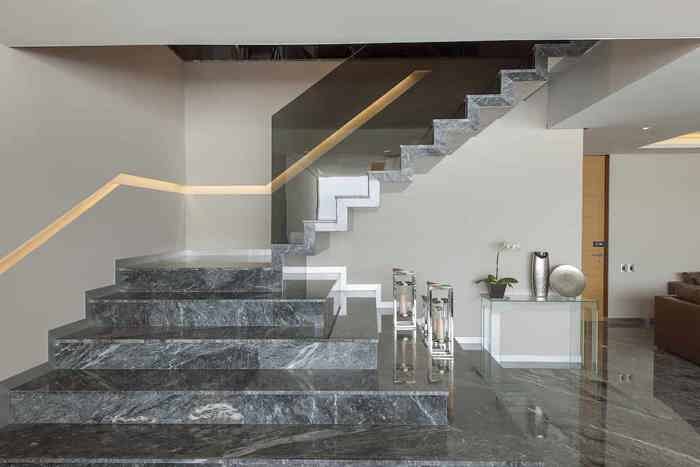
საფეხურების მოპირკეთება
Negotiable priceMore than 5 yearsTbilisi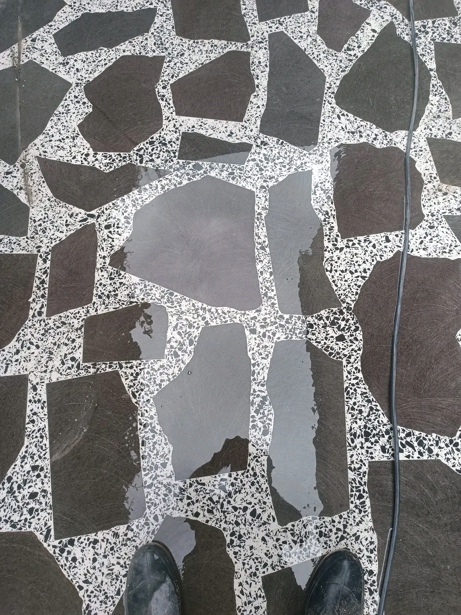
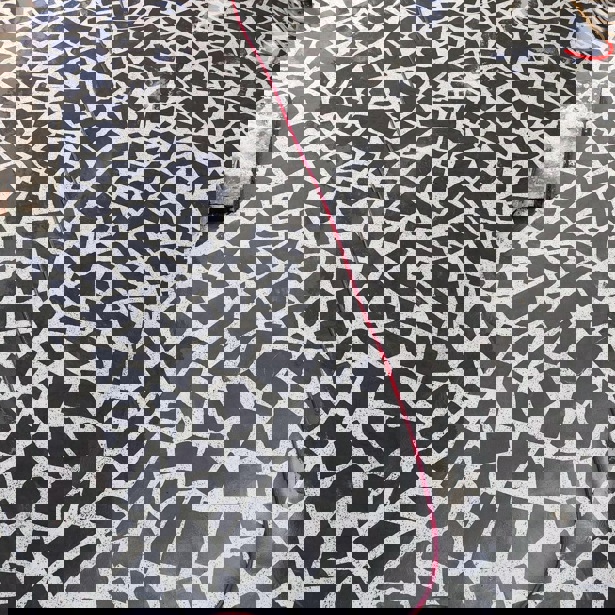
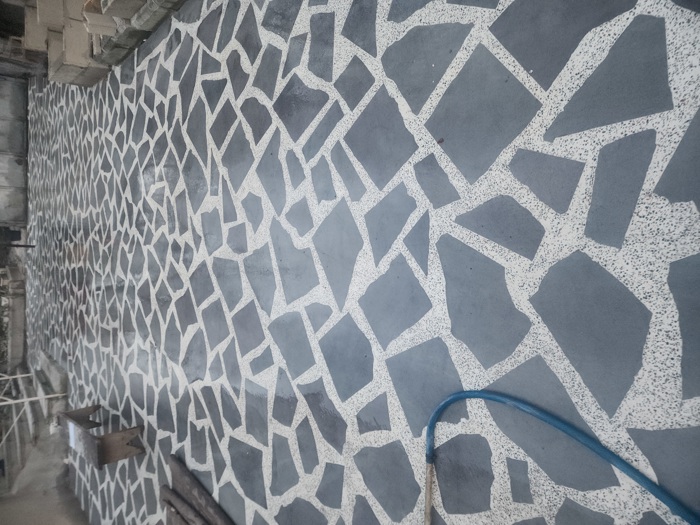
ქვის დაგება ეზოს მოპირკეთება
Negotiable priceMore than 5 yearsTbilisi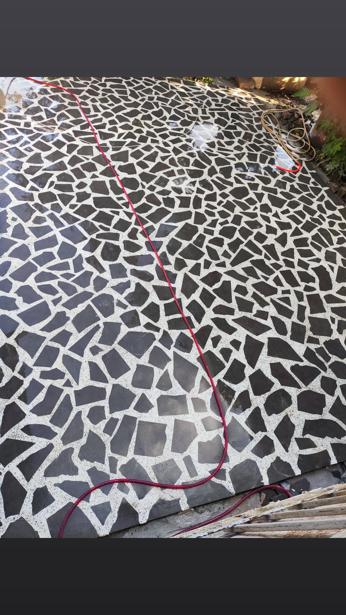
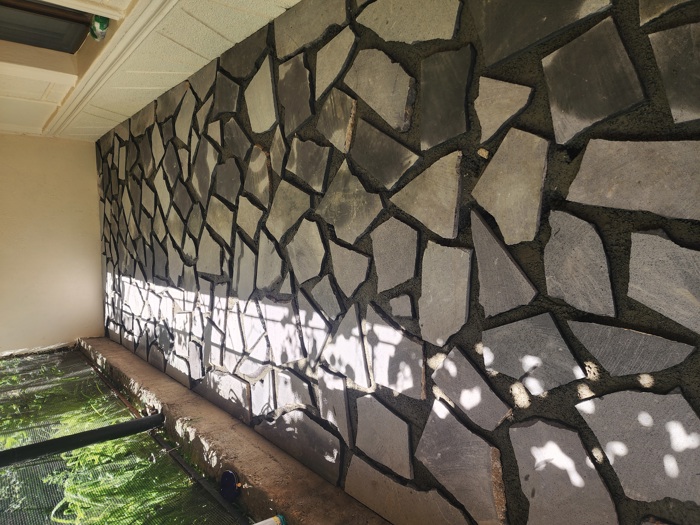
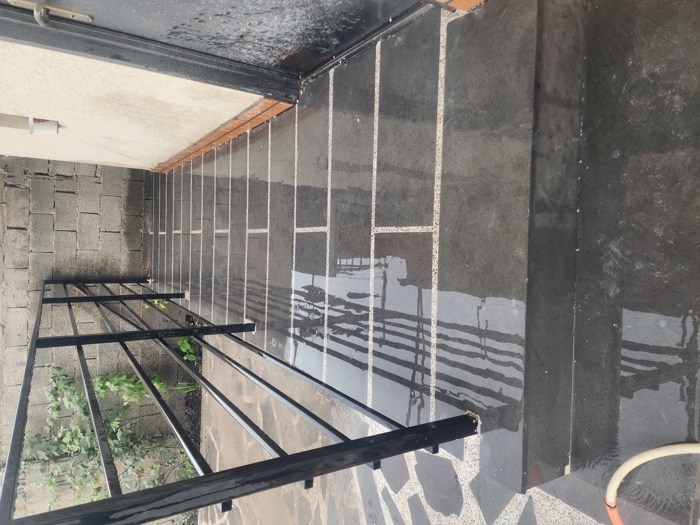
ქვის დაგება
Negotiable priceMore than 5 yearsTbilisi
ქვისა და კაფელის ხელოსანი
Negotiable priceMore than 5 yearsTbilisi
ბუნებრივი და ხელოვნური ქვის მოპირკეთება
Negotiable priceMore than 5 yearsTbilisiFrequently Asked Questions - Before Working on Stone and Installation
If a marble or granite floor loses its original shine over time, or develops scratches and stains, replacing it entirely is unnecessary. Stone craftsmen use specialized heavy machinery and diamond discs to grind the surface (shaving off a few microns), renew the grout, and follow up with crystallization and polishing, making the stone shine like new.
Natural stone is unique in its patterns but requires careful maintenance and periodic sealing with protective coatings. Artificial quartz (quartz agglomerate) consists of 93% natural quartz crystals and polymer resins. It is absolutely non-porous, does not absorb wine, coffee, or oil, is scratch-resistant, and is ideal for kitchen countertops.
Travertine is a natural, porous sedimentary stone available in warm tones (beige, brown, gray). It is highly resilient against seasonal temperature fluctuations (frost/heat), offers good thermal and acoustic insulation properties, is relatively lightweight, and gives buildings a monumental, luxurious look. On facades, it can be used either un-filled (with its natural pores open) or factory-filled with a specialized compound and polished.