

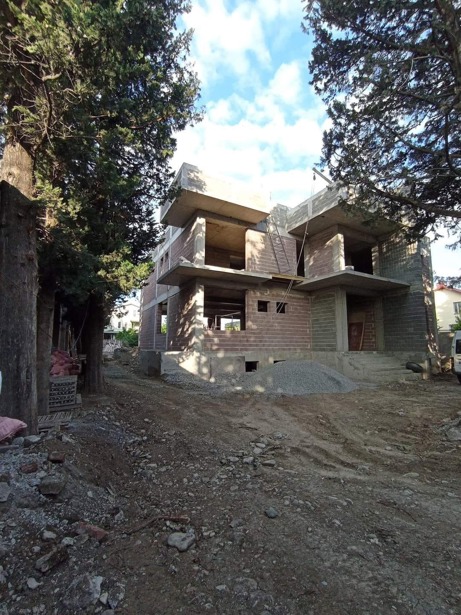
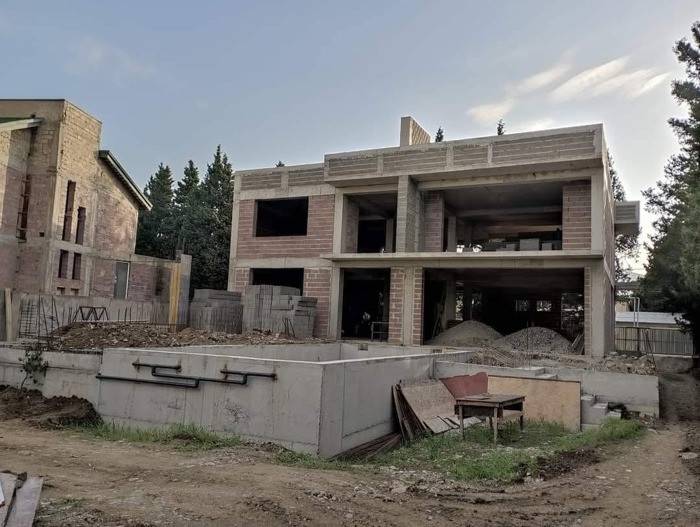
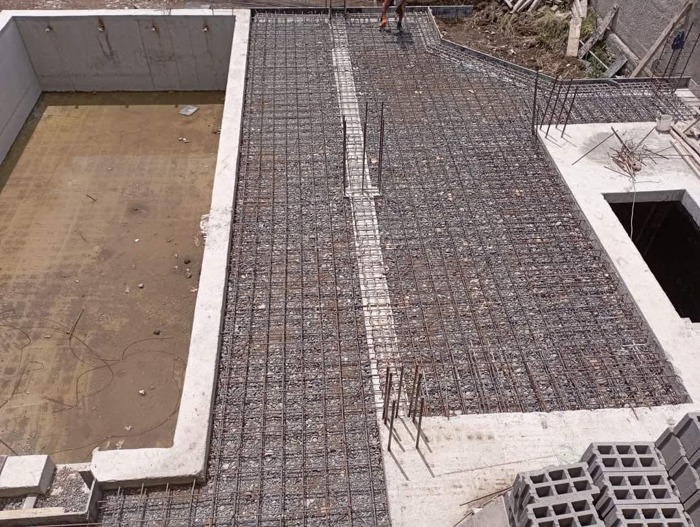
ვასრულებ ნებუსმიერი სირთულის სამუშაოებს ხარისხიანად და ჰარანტიით
Negotiable price More than 5 years

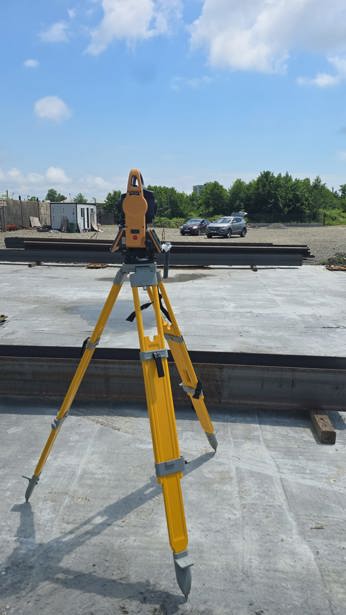
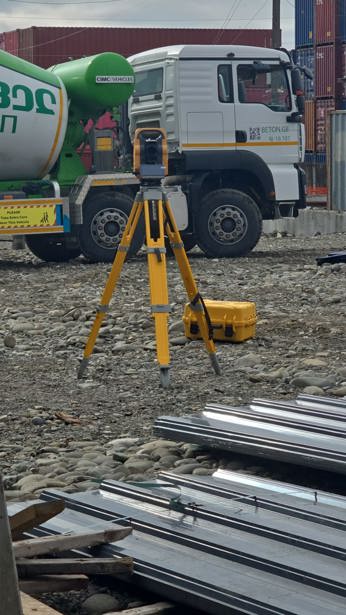
აზომვითი სამსახური
Negotiable priceMore than 5 years Tbilisi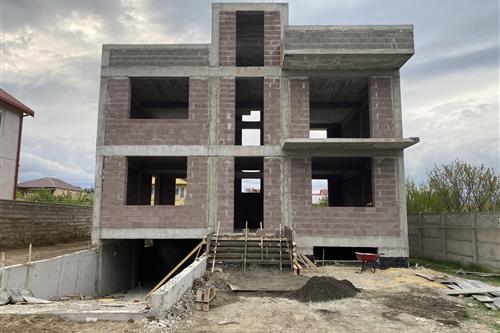
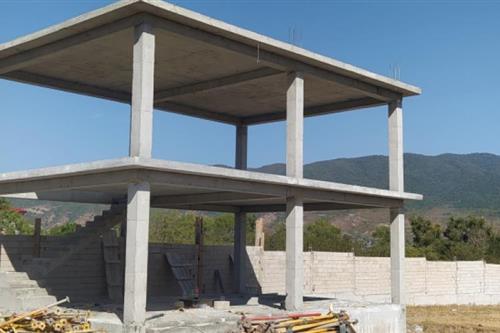
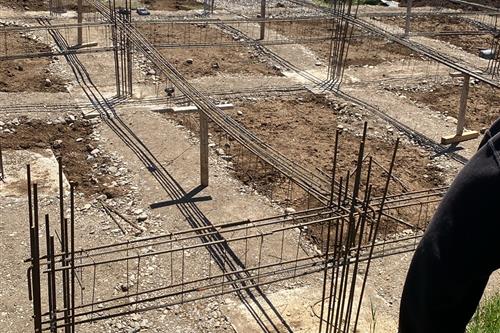
ბლოკის აშენება, მონოლითი, ღობეები, კიბე
Negotiable priceMore than 5 yearsTbilisiTips Before Starting Concrete and Foundation Works
Rebar quality and volume
The stability of the foundation and columns depends heavily on the correct selection of rebar. Use only certified, deformed (periodical profile) reinforcing steel. Strictly follow the rebar tying pitch (frequency) and bar diameters specified in the structural engineer's blueprints.
Strict control of concrete grade
For the load-bearing structures of both private houses and apartment buildings, use only factory-mixed concrete - standardly or a higher grade. Demand laboratory concrete test cubes (samples) during every pour to officially verify its compressive strength after 28 days.
Use of concrete cover (spacers)
A free space of 3–5 cm must be left between the rebar and the outer edge of the formwork (shuttering) for the concrete to flow into. Special plastic spacers (often called chairs or wheel spacers) are used for this purpose. This protects the rebar from air and moisture, preventing corrosion (rusting).
Mandatory vibration
It is absolutely essential to use an immersion (poker) vibrator while pouring concrete. Vibration expels air pockets and distributes the mixture evenly within the formwork. Without a vibrator, voids (honeycombs) will form inside the concrete, catastrophically reducing the structural integrity. Curing concrete after the pour: Concrete works do not end with the pour. For the first 3–7 days - especially in hot weather -concrete needs periodic watering and coverage with plastic sheeting to prevent rapid moisture evaporation and surface cracking.💡
A solid foundation for your home
Find certified structural engineers, experienced concrete pouring crews, and formwork masters on the platform: services.ss.ge

მშენებლის მომსახურება
1 ₾More than 5 years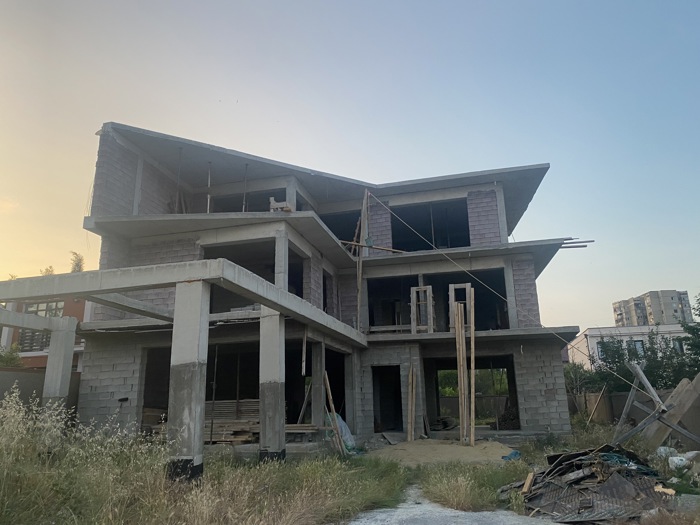
კერძო სახლის მშენებლობა
60 ₾More than 5 yearsTbilisi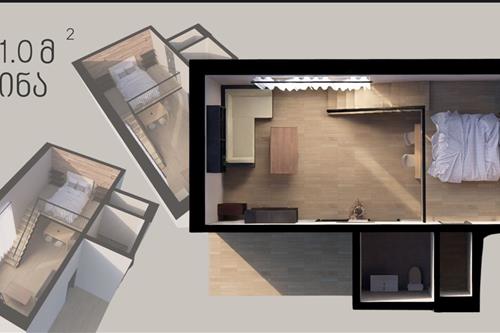
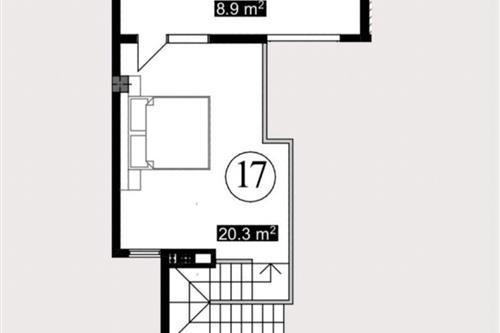
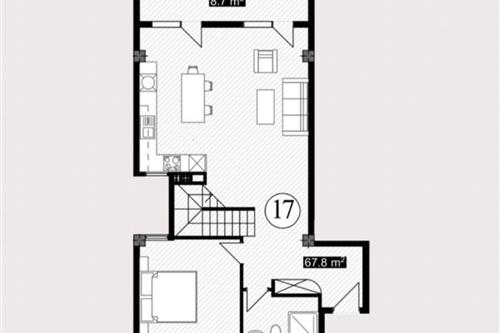
მიწის ნაკვეთების მოძიება, კატალოგი
Negotiable priceMore than 5 yearsTbilisi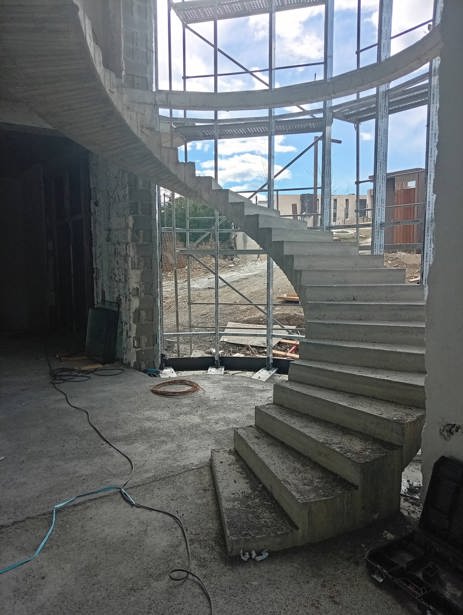
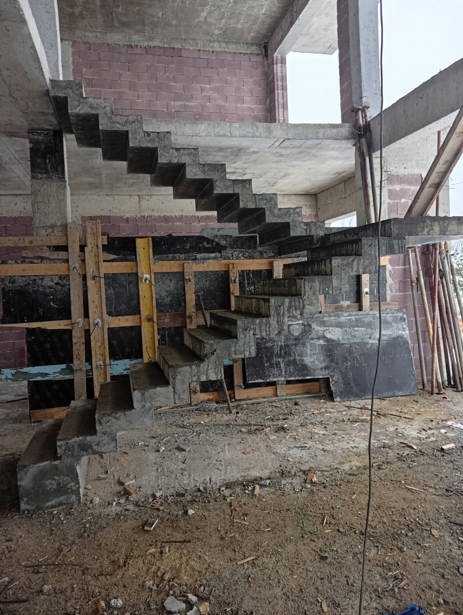
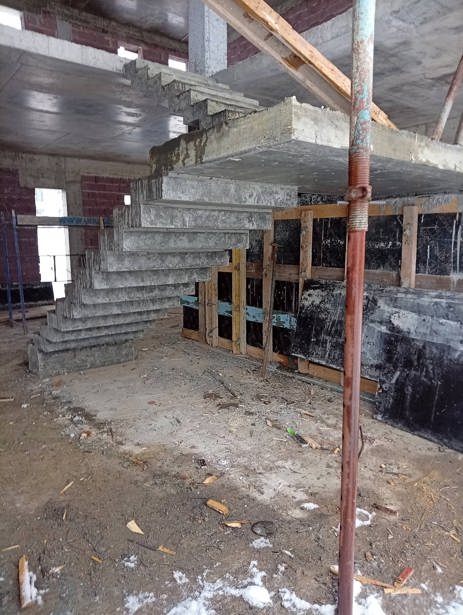
ნებისმიერი სირთულის ბეტონის კიბეების ჩამოსხმა
Negotiable priceMore than 5 yearsTbilisi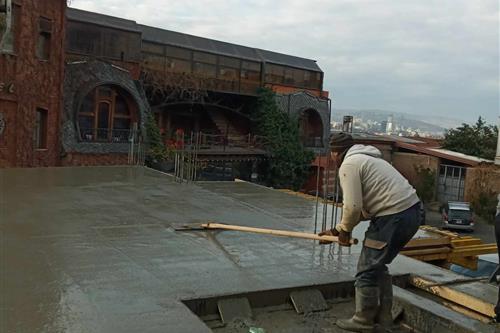
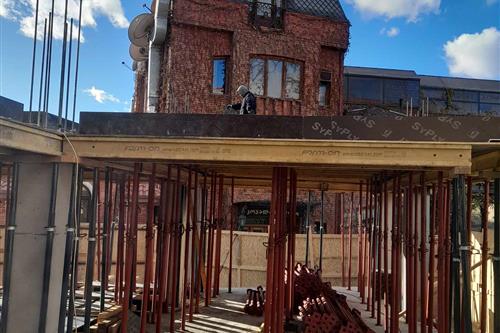
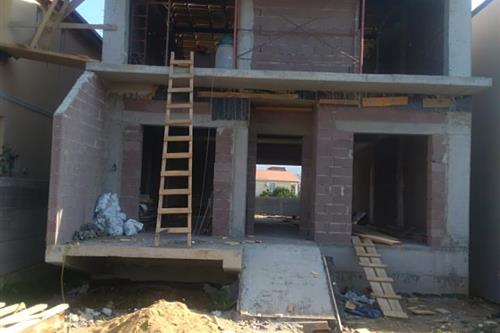
შავი კარკასის მშენებლობა
Negotiable priceMore than 5 yearsTbilisi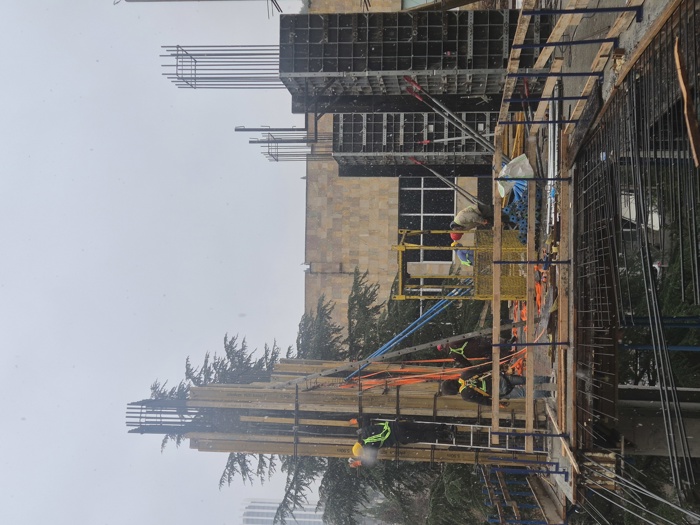
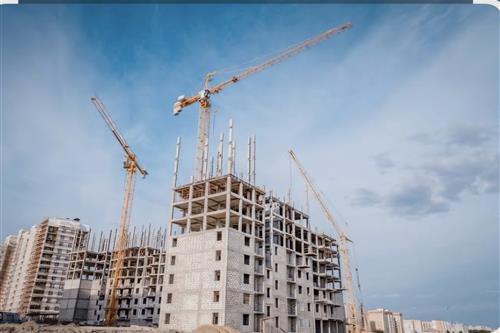
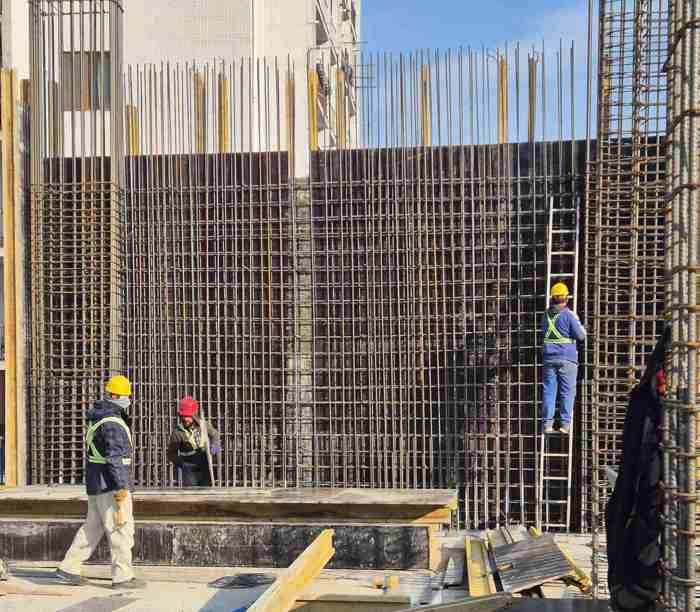
სამშენებლო ბრიგადა აპალოვკა-არმატურა
Negotiable priceMore than 5 yearsTbilisi

ბეტონის სამუშაოები
Negotiable priceMore than 5 yearsTbilisi
მშენებლის მომსახურება
Negotiable priceMore than 5 yearsTbilisi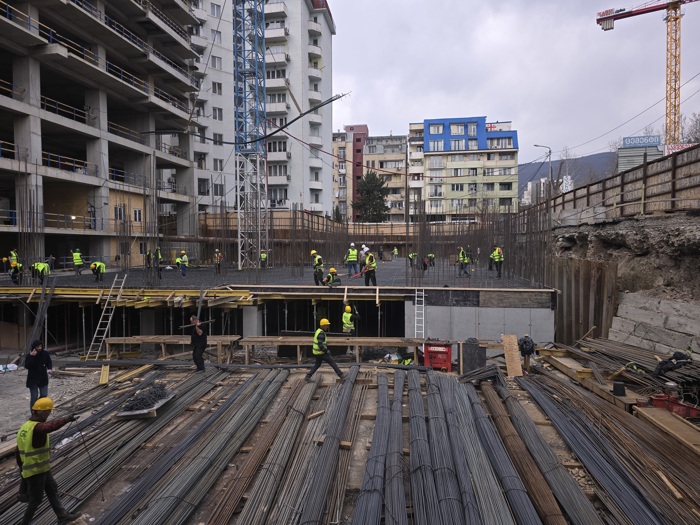
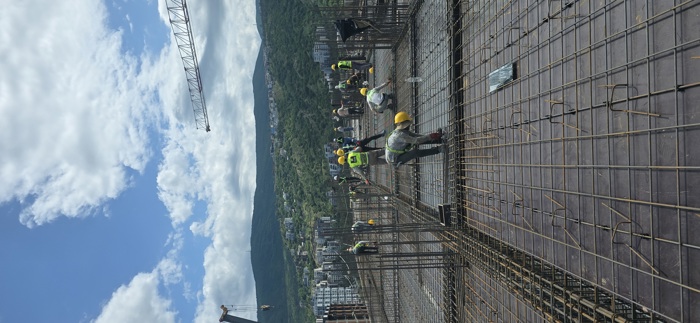
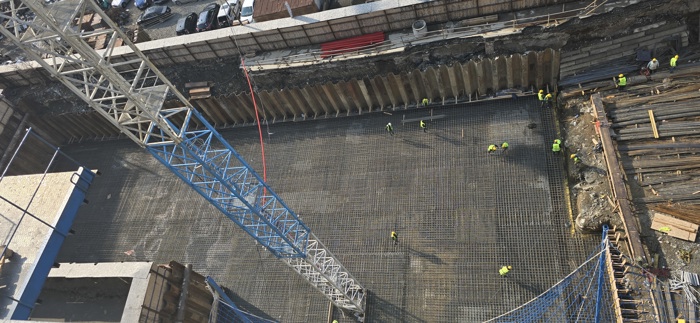
სამშენებლო მომსახურებას მონოლითურ სამუშაოებზე
50 ₾More than 5 yearsTbilisi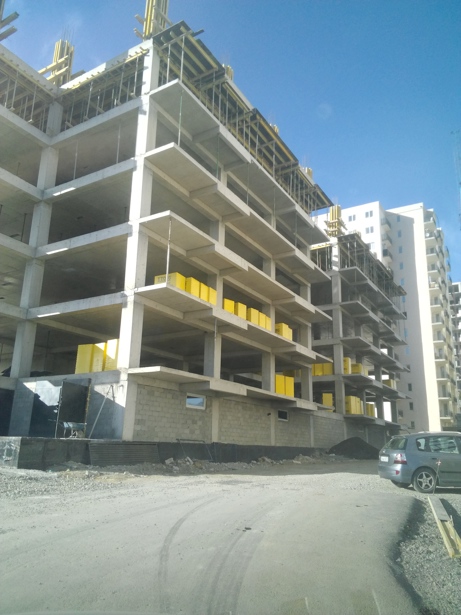
მონოლითის ბრიგადა
Negotiable priceMore than 5 yearsTbilisiFrequently Asked Questions - Foundation and Concrete
Strip foundation: Poured only along the perimeter of the load-bearing walls. It is cost-effective and used on firm, non-landslide-prone soils. Monolithic slab: Concrete is poured across the entire footprint of the building. It is ideal for weak soils as it distributes the structural load evenly. Pile foundation: Used on complex, landslide-prone terrains and slopes. Specialized drills go deep into the ground until they reach stable rock strata, where concrete columns (piles) are then cast.
Vertical formwork (for columns and walls) can be removed in 2–3 days since the load on them is minimal. However, horizontal soffit formwork (for slabs) should remain in place for at least 14–21 days, until the concrete reaches 70–80% of its design strength.
A retaining wall is a rigid reinforced concrete structure built on slopes, hilly terrains, or terraced landscapes. Its primary function is to hold back soil mass, preventing landslide processes and soil erosion while safeguarding the building's foundation.