

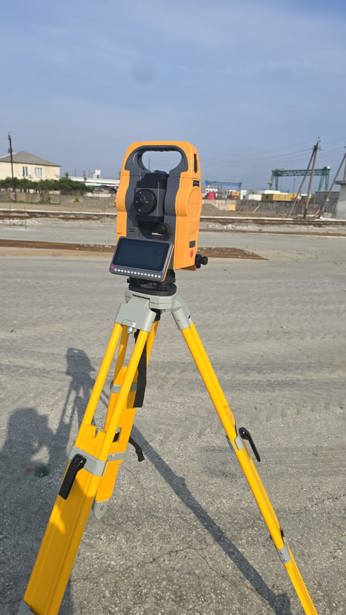
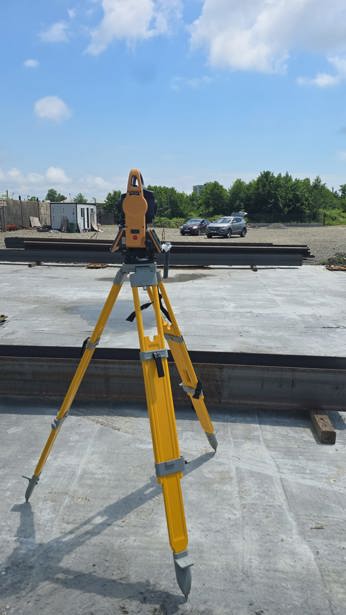
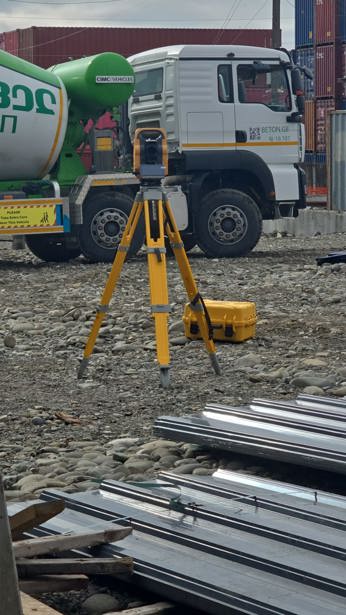
აზომვითი სამსახური
Negotiable price More than 5 years
 Tbilisi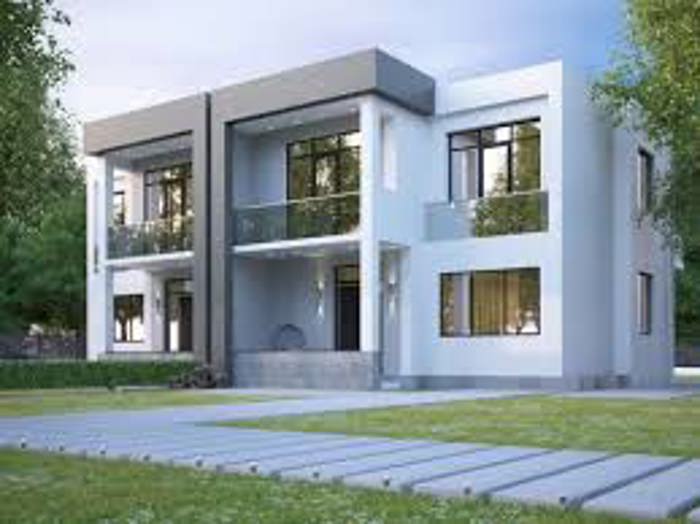
კერძო სახლების მშენებლობა
Negotiable priceMore than 5 years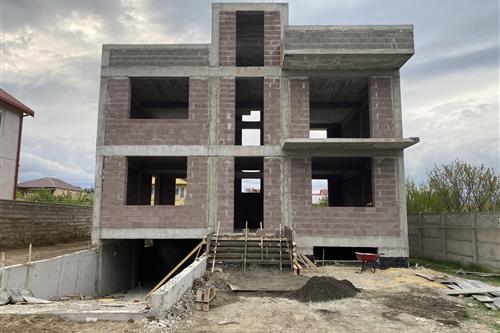
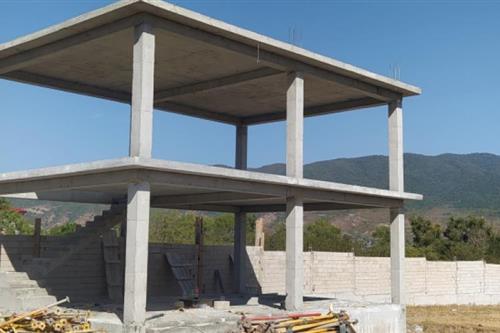
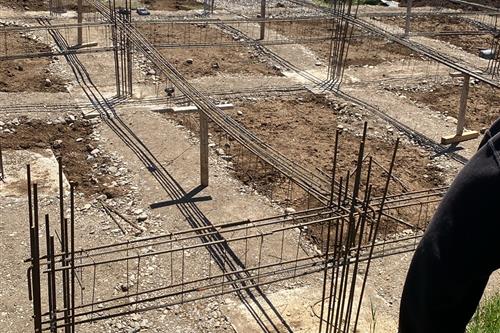
ბლოკის აშენება, მონოლითი, ღობეები, კიბე
Negotiable priceMore than 5 yearsTbilisiTips Before Starting House Construction
Architecture, geology and permits
The first step in building a private house is a geological survey of the plot, preparation of an architectural project and obtaining a building permit from the municipality (for buildings of class I, II or III).
Foundation arrangement
The basis for the durability and safety of the house. Depending on the soil, a strip, strip or column foundation is arranged, where the most important thing is the correct weaving of reinforcement, pouring high-grade concrete and high-quality waterproofing.
Load-bearing structures and wall construction
Arrangement of a reinforced concrete frame (columns, beams, interfloor overlap) and construction of walls with energy-efficient pumice blocks, aerated concrete (itong) or traditional bricks.
Roofing and facade arrangement
installation of a flat (with membrane/waterproofing) or pitched roof (metal tile, profiled sheet). Thermal insulation of the facade (rock wool, foam plastic) and cladding with decorative plaster, brick or composite panels. Turnkey construction: full-cycle service, when one construction company takes responsibility for design, construction and complete internal renovation - which frees the customer from constant management of the process.
Build your dream home
find experienced construction companies, architects, engineers, monolithic builders and construction teams on the platform: services.ss.ge
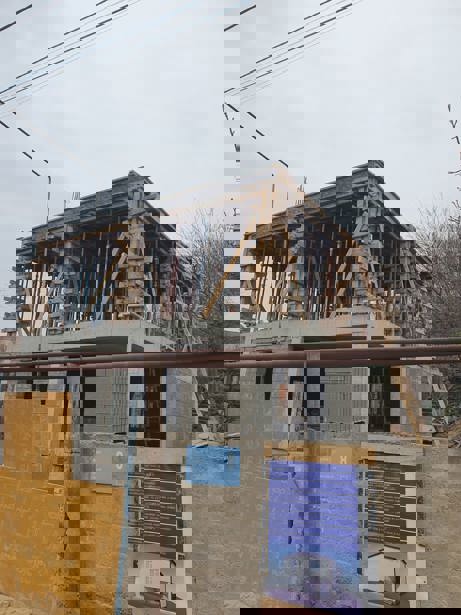
კერძო სახლების მშენებლობა
60 ₾More than 5 yearsTbilisi
პარკეტის დაგება, პლინტუსების გაკვრა
Negotiable priceMore than 5 years
ლესვა ქვიშა-ცემენტით
Negotiable priceMore than 5 yearsTbilisi
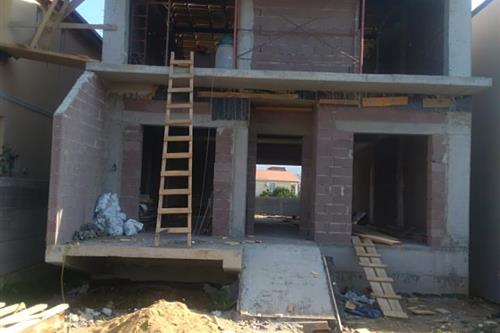
შავი კარკასის მშენებლობა
Negotiable priceMore than 5 yearsTbilisi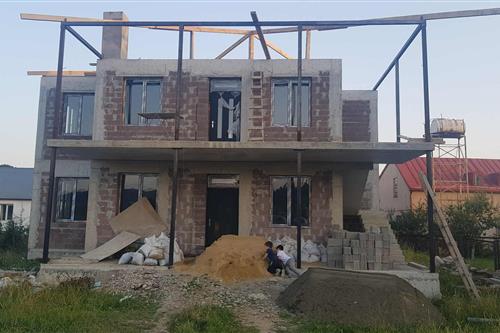
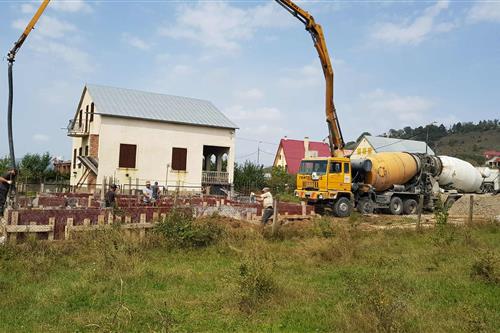
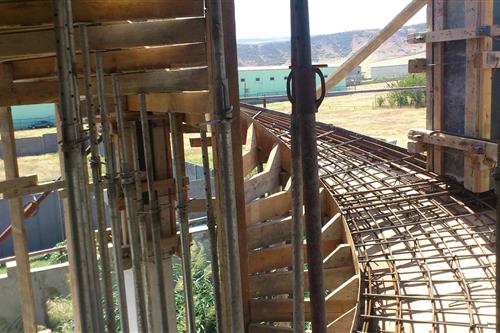
კერძო სახლების მშენებლობა
Negotiable priceMore than 5 yearsTbilisi
მიწის ნაკვეთების მოძიება, კატალოგი
Negotiable priceMore than 5 yearsTbilisi
მშენებლობა რემონტით
Negotiable priceMore than 5 years
მონოლითური მშენებლობა
Negotiable priceMore than 5 yearsTbilisi
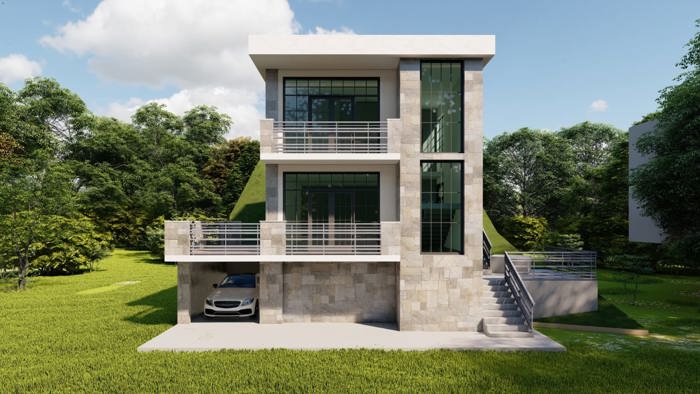
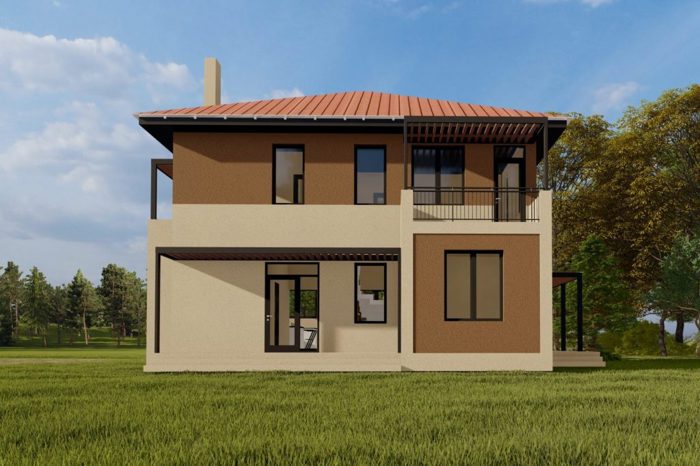
სახლის მშენებლობა
Negotiable priceMore than 5 yearsTbilisi
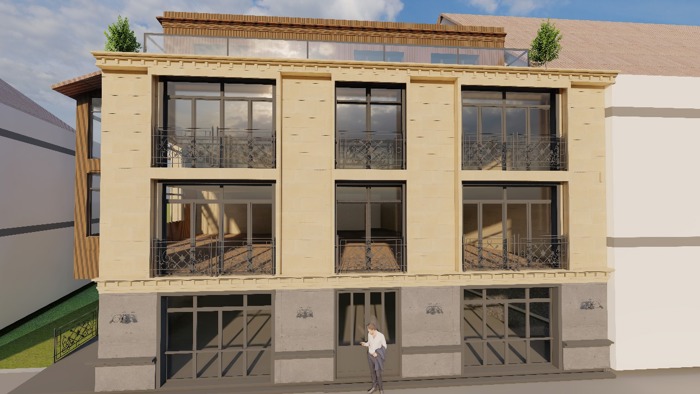
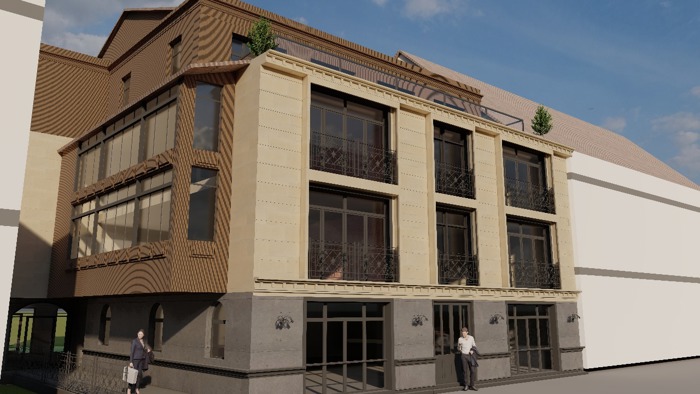
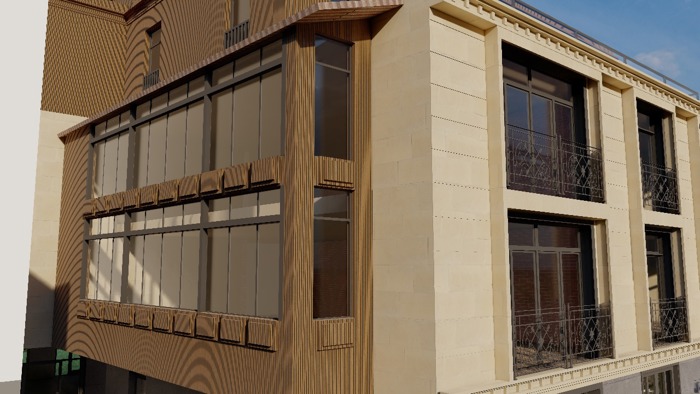
კორპუსების მშენებლობა
Negotiable priceMore than 5 yearsTbilisiFrequently Asked Questions - Home Construction
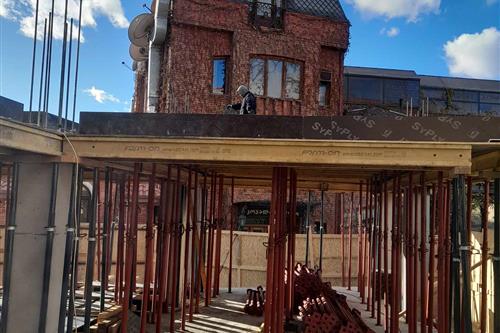
Black frame: Includes only earthworks, the foundation, the reinforced concrete load-bearing structure (columns, slabs), the building of external walls, and the roof. White frame: Adds internal partition layouts, plastered walls, floor screed, installed doors and windows, and basic utilities brought into the property to the black frame setup. Green frame: This is the stage right before cosmetic renovation. It builds upon the white frame by adding fully wired electricity, heating pipes, plumbing networks, and ideally finished, puttied walls throughout the house.
Building the structure and frame of an average-sized private house (150–250 sq.m.) takes between 4 to 7 months, depending on the project complexity, terrain, and weather (as concrete curing technology requires its own time). Bringing the project to a complete green frame stage takes a total of 9 to 12 months.
To avoid unexpected price hikes, it is vital to prepare a detailed engineering-structural project and a comprehensive bill of quantities (cost estimate) before starting construction. Sign a contract with the construction company or crew where the price is fixed for specific stages and material procurement is scheduled in advance, ensuring that seasonal price fluctuations in the market do not impact your budget.