

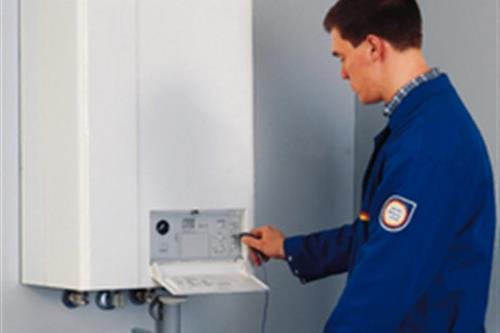
ცენტრალური გათბობის ქვაბის შეკეთება
Negotiable price More than 5 years
 Tbilisi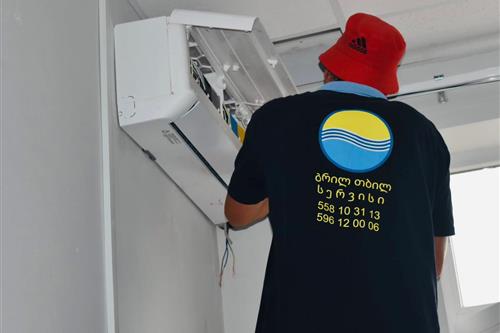

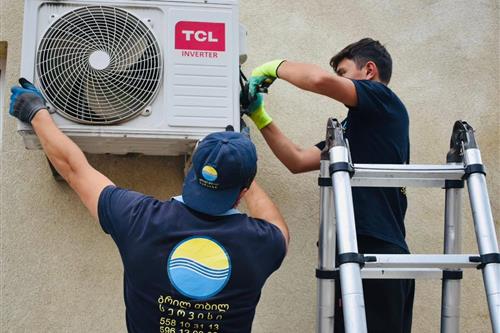
გამათბობლის მონტაჟი/შეკეთება
Negotiable priceMore than 5 yearsTbilisi

ცენტრალური გათბობის შეკეთება - მონტაჟი
Negotiable priceMore than 5 yearsTbilisiTips for the Proper Functioning of Heating Systems
Scheduled flushing of the system (chemical cleaning)
Over the years, deposits, rust and sludge accumulate in central heating pipes and radiators. This leads to circulation disruption, which is why the radiators remain cold at the bottom, the boiler operates at an excessive load, and utility costs increase by 20-30%. The system should be flushed with a special device and solutions once every 3-4 years.
Expansion tank and pressure control
If the pressure in the heating boiler often drops or, conversely, increases sharply when the system is heated and water flows through the safety valve, the reason is a violation of the air pressure in the expansion tank (boiler) or damage to the membrane. In normal conditions, the pressure in the cold system should be 1.2 - 1.5 bar.
Cleaning water filters
A mechanical filter (so-called coke) is always installed under the heating boiler, on the back (inlet) pipe. Ignoring it and clogging it with dust/scale blocks the water flow, which causes the boiler to make noise, overheat, and premature failure of the circulation pump.
Removing (deadly) scale from the heat exchanger
Due to the hard water available on the Georgian market, limescale quickly appears in the primary and secondary heat exchangers of the boiler (where hot water is produced). If the boiler is frequently turned off or the temperature of the hot water in the bathroom is constantly changing (sometimes it comes cold, sometimes hot), the heat exchanger needs to be washed with a special acidic solution.
Balancing of underfloor heating collectors
Underfloor heating systems (collectors/grebanks) require precise hydraulic regulation using flow meters (linear regulators). In case of incorrect balancing, rooms located near the boiler will be overheated, while zones located far away will remain cold.
Meet the winter warmly and peacefully
find certified heating technicians, authorized central heating boiler craftsmen and floor heating specialists on the platform: services.ss.ge
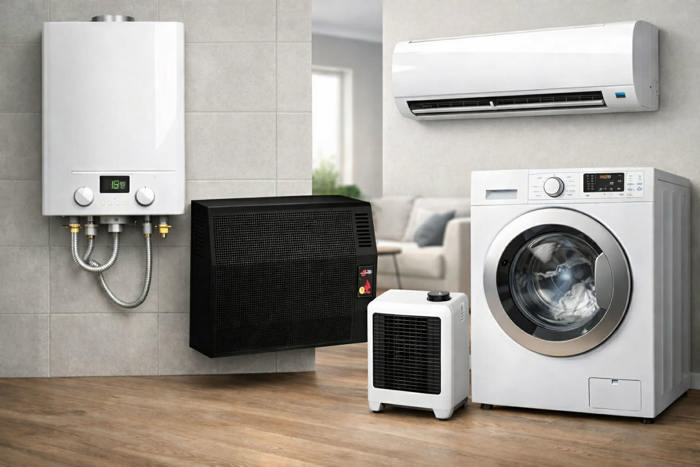
გათბობის ქვაბების, გამათბობლების და წყლის გამაცხელებლების შეკეთება-მონტაჟი
Negotiable priceMore than 5 yearsTbilisi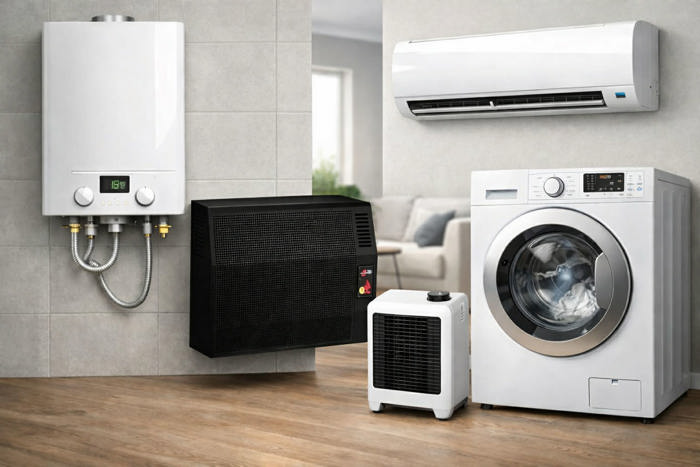
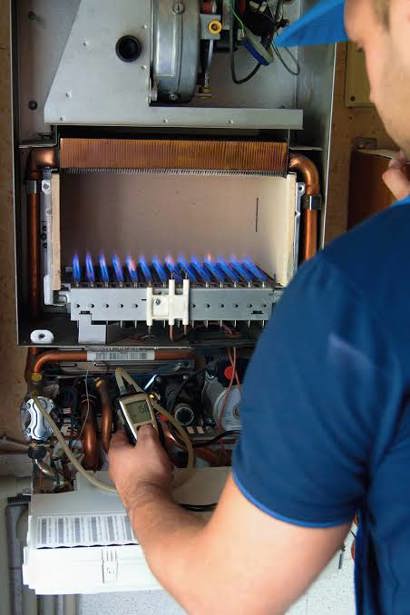
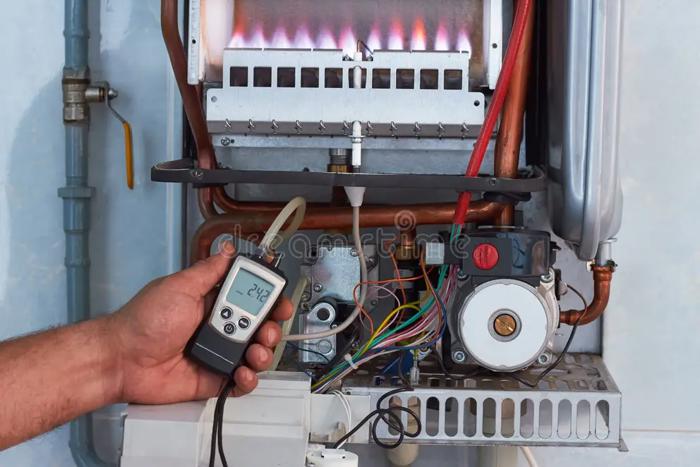
ცენტრალური გათბობის ქვაბების შეკეთება
Negotiable priceMore than 5 yearsTbilisi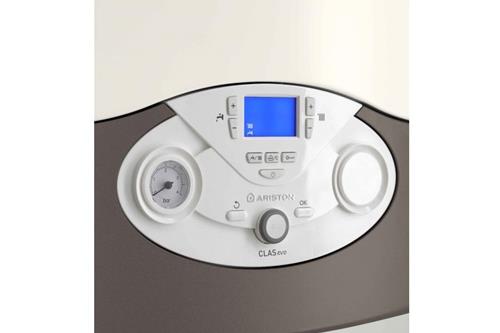
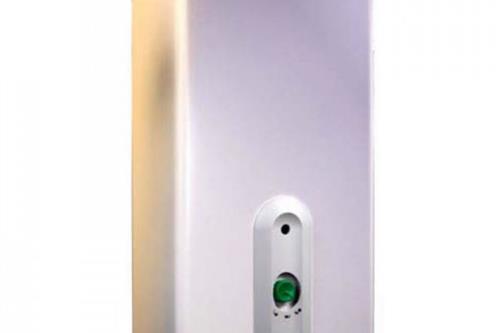
გათბობის სისტემების მონტაჟი, შეკეთება
Negotiable priceMore than 5 yearsTbilisi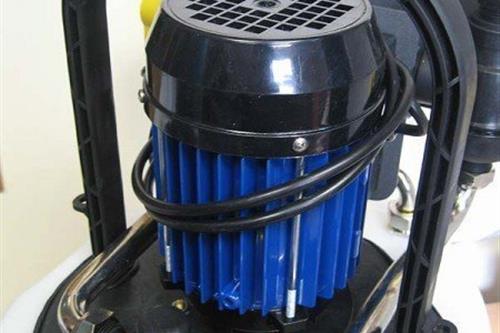
გამორეცხვა: გათბობის ქვაბის, მილების და ბატარეების
Negotiable priceMore than 5 yearsTbilisi
ცენტრალური ქვაბის ხელოსანი
Negotiable priceMore than 5 yearsTbilisi
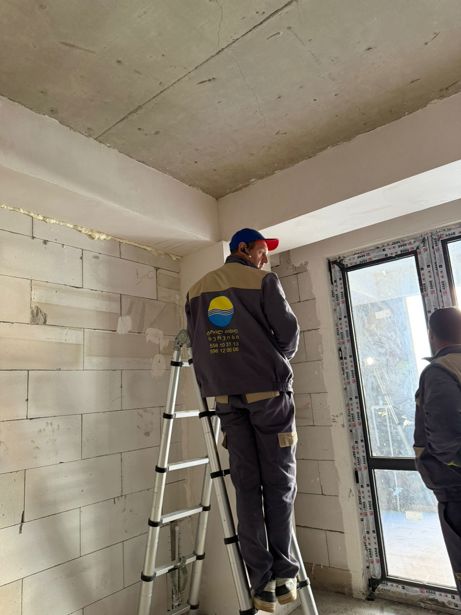
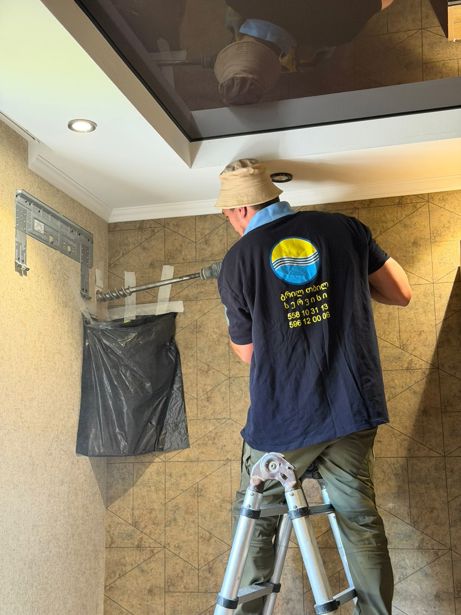
გათბობის სისტემების მონტაჟი
Negotiable priceMore than 5 yearsTbilisi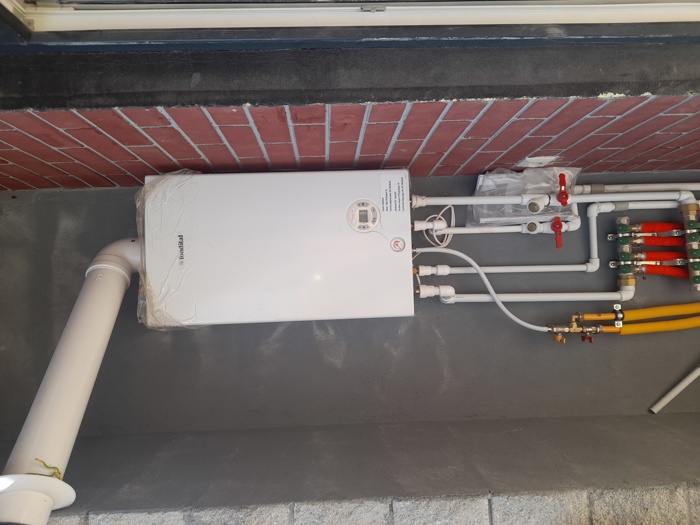
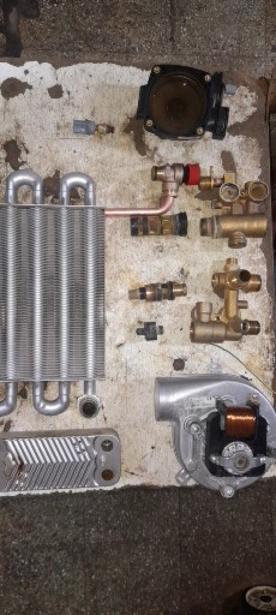
ცენტრალური გათბობის შეკეთება, მონტაჟი
Negotiable priceMore than 5 years
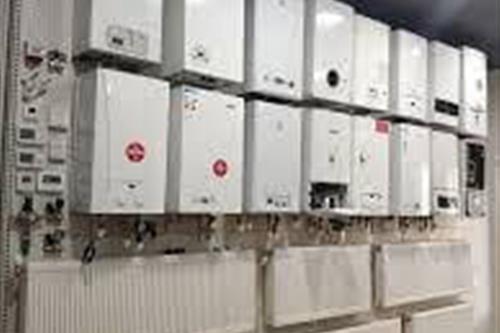
ცენტრალური გათბობის ქვაბი, ხელოსანი, შეკეთება
Negotiable priceMore than 5 yearsTbilisi
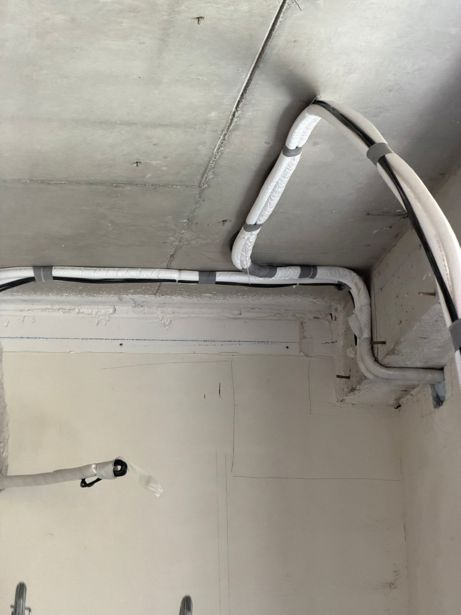
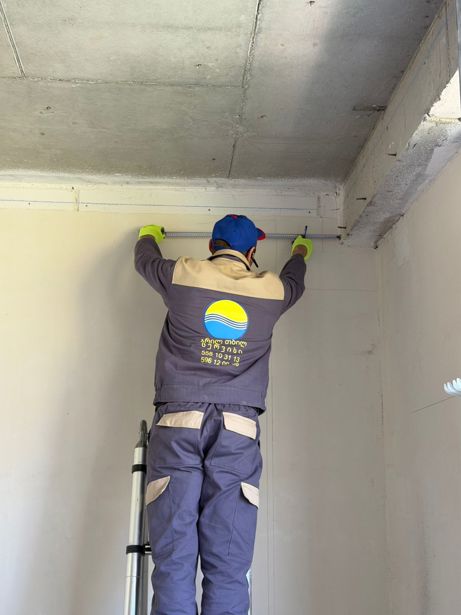
კონდიციონერის გაყვანილობების მონტაჟი-რემონტამდელი მომსახურება
Negotiable priceMore than 5 yearsTbilisi
კალონკის ხელოსანი
Negotiable priceMore than 5 yearsTbilisiFrequently Asked Questions - Heating Systems
If a radiator is partially cold (for example, the upper corner fails to heat up) or you hear a gurgling water sound coming from the pipes when the system is running, it means air is trapped in the system. Bleeding is done via the special Mayevsky air vent valve located at the top end of the radiator — use a radiator key or a flathead screwdriver to gently loosen the valve until water, instead of air, begins to flow out. After this procedure, make sure to check and top up the pressure in the boiler.
A condensing boiler is a modern, highly efficient appliance that recovers and uses the latent heat from water vapor within the exhaust gases to reheat the system. It consumes 15% to 20% less natural gas compared to a conventional boiler. However, to maximize its efficiency, it requires a low-temperature system setup (such as underfloor heating or oversized radiators, where the water temperature does not exceed 50°C).
Modern heating boilers are equipped with highly sensitive electronic control boards. Voltage fluctuations or sudden power drops are the leading causes of these expensive boards burning out. A quality stabilizer protects the appliance from electrical damage, while a UPS ensures the boiler keeps running during blackouts, preventing the system from freezing in winter.
1. Standard apartments (60 - 120 sq.m.) Radiator system (collector or two-pipe): * Black/white frame: from 1 to 3 days. At the first stage, the pipes are laid (1 day), and after the repair is completed, the boiler and radiators are hung/launched (1 day). Already renovated apartment (with open/external pipes): 2-4 days. Since the pipes are laid on the outside of the wall or in the baseboards, the process requires careful work so as not to damage the repair. Underfloor heating: 2-4 days. Here the process is more time-consuming, as it requires laying an insulating layer (styrofoam), a reflector and pipes on the grid. To this is added the time for laying and drying the tensioned floor (slatted floor) (at least 21-28 days), after which the boiler is installed. 2. Private houses and duplexes (150 - 300+ sq.m.) Combined or complex systems: 5 to 10 days. In large houses, a combined system is often installed (underfloor heating on the first floor, radiators on the second). The installation of several collector nodes, boiler commissioning, installation of a boiler and additional circulation pumps (pumps) increases the time.