

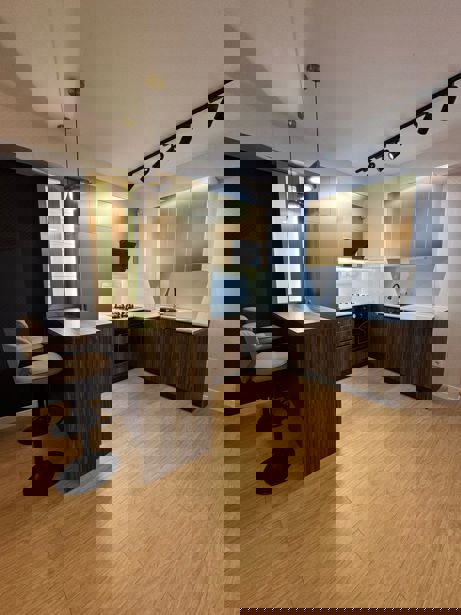

ავეჯისა დამზადება
Negotiable price More than 5 years
 Tbilisi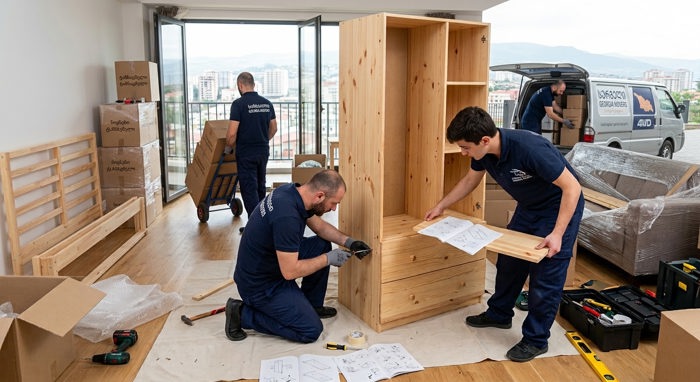
საყოფაცხოვრებო ნივთების გადატანა, დაშლა/აწყობა.
50 ₾ - FromUp to 3 years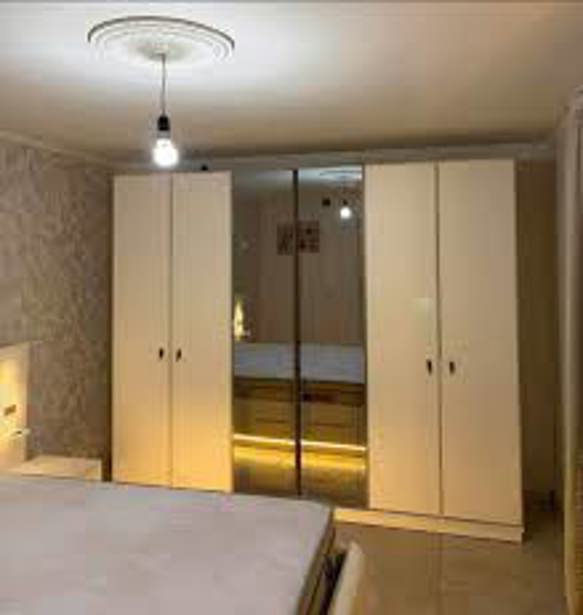
ავეჯის დამზადება
Negotiable priceMore than 5 yearsTips for making and restoring furniture
Custom furniture manufacturing
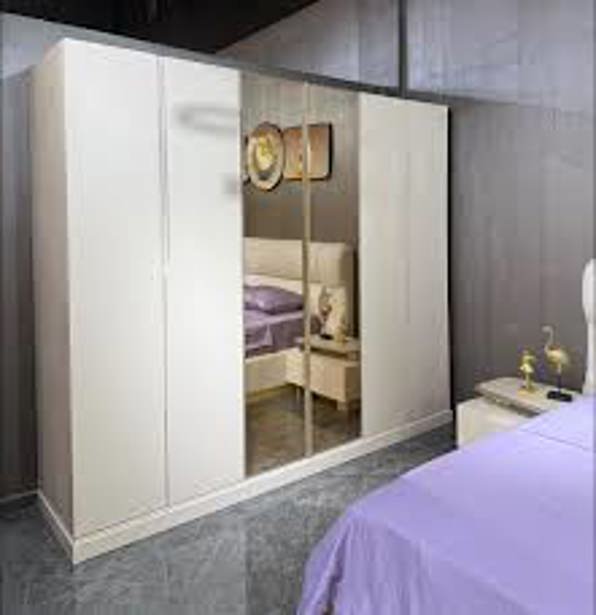
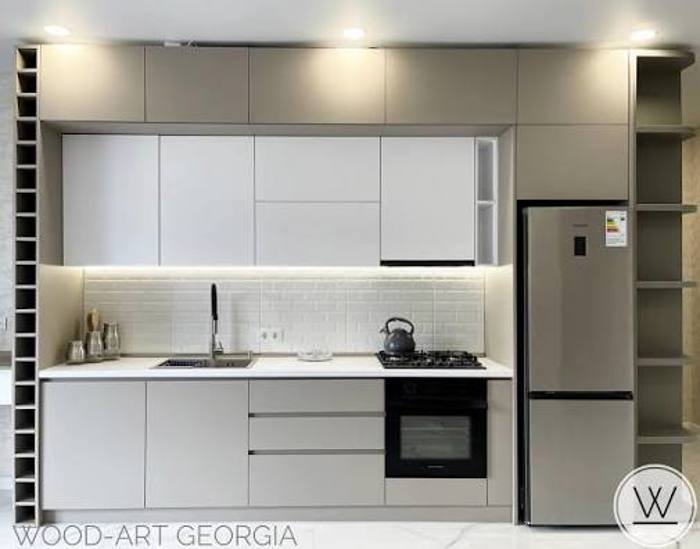
Custom furniture manufacturing is the best way to maximize space and achieve a unique design. The process includes taking measurements, 3D design, material selection (MDF, laminate, natural wood) and on-site installation.
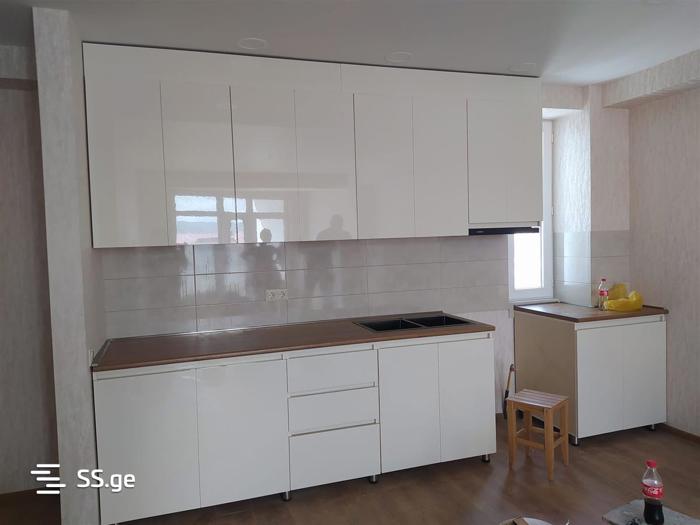
Kitchen and built-in wardrobe manufacturing
Kitchen and bedroom wardrobe systems are the most popular furniture trends. Here, the main attention is paid to the selection of durable countertops (acrylic stone, quartz, postforming) and high-quality fittings (e.g. Blum, Hettich) for long-term operation of mechanisms.
Upholstered furniture restoration and reupholstery
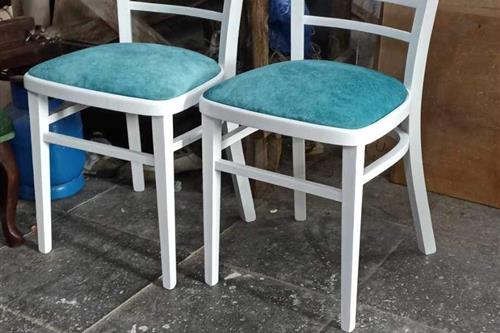
Upholstery of old armchairs, sofas and chairs significantly saves the budget. The service includes replacing the foam, repairing the springs, reinforcing the internal frame and completely replacing the fabric/leather (reupholstery).
Restoration and restoration of wooden furniture
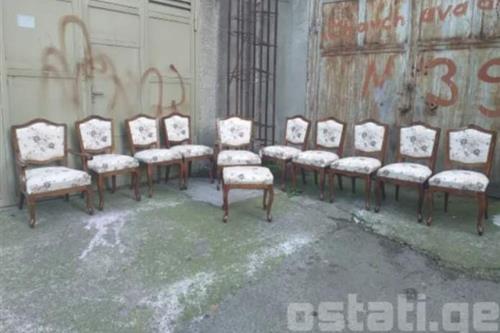
Restoring antique or wooden furniture requires jeweler's precision. Specialists remove old varnish/stain, sand the wooden surface, fill cracks, sand and repaint or varnish.
Renovate or create furniture easily
Find experienced furniture designers, workshops, restorers and craftsmen on the platform: services.ss.ge
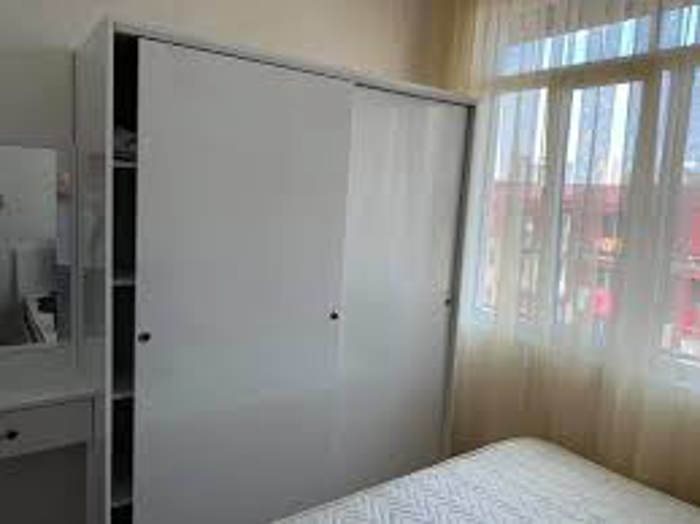
ლამინატის ავეჯის დამზადება
Negotiable priceMore than 5 years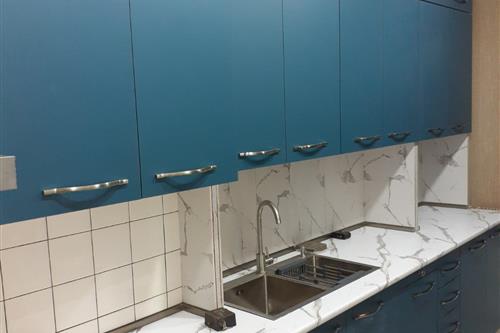
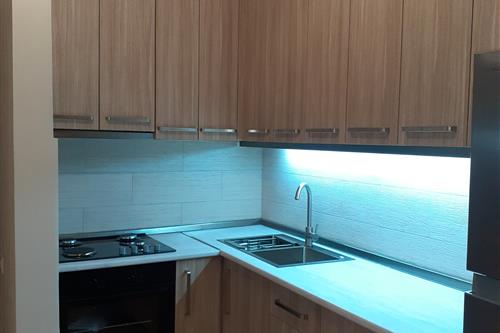
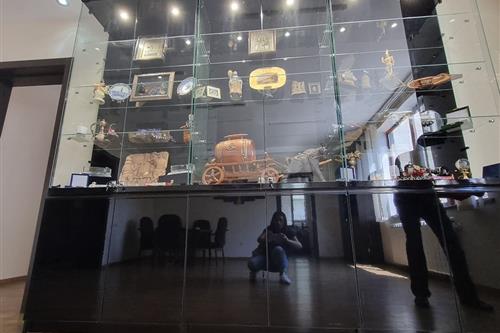
ავეჯის დამზადება
Negotiable priceMore than 5 yearsTbilisi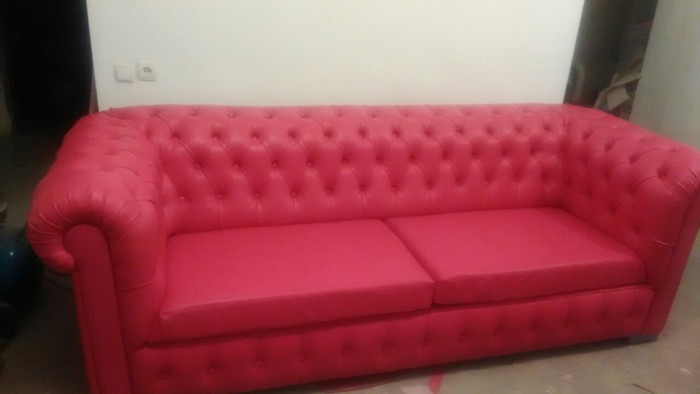
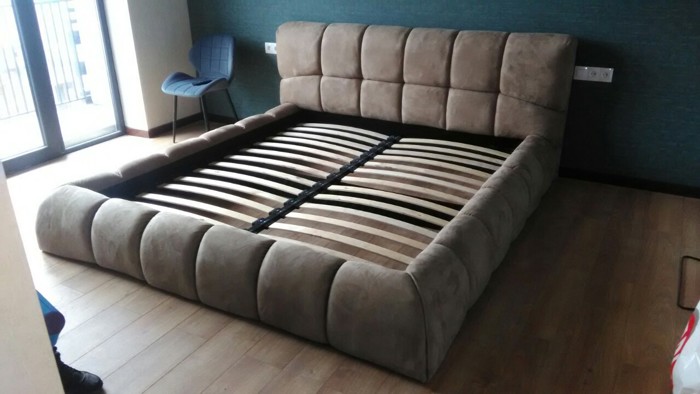
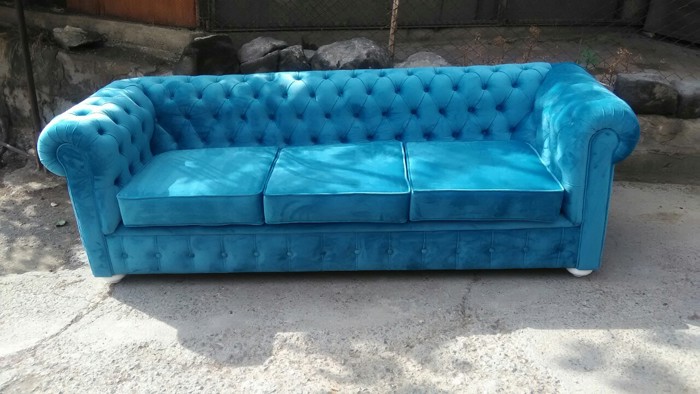
რბილი ავეჯის დამზადება რესტავრაცია
Negotiable priceMore than 5 yearsTbilisi, Mukhiani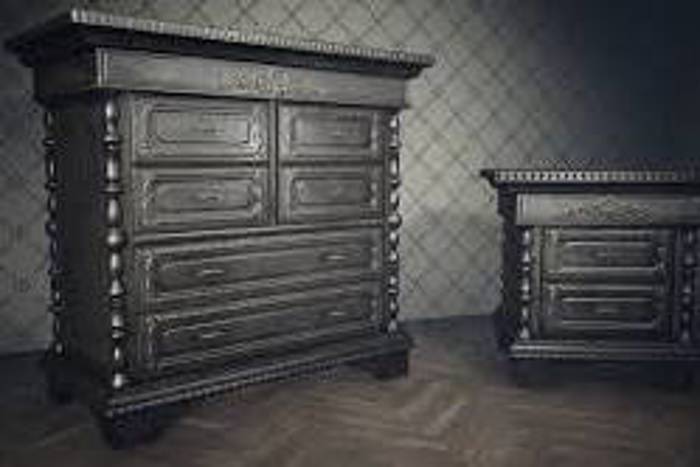
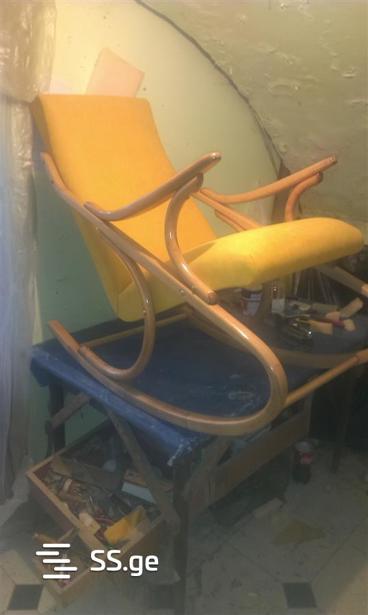
ავეჯის რესტავრაცია
Negotiable priceMore than 5 yearsBatumi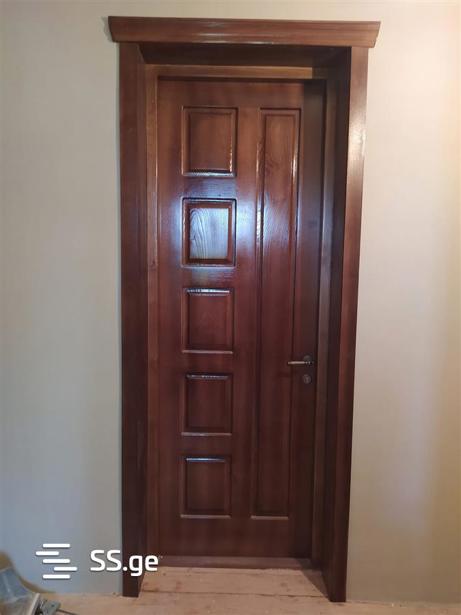
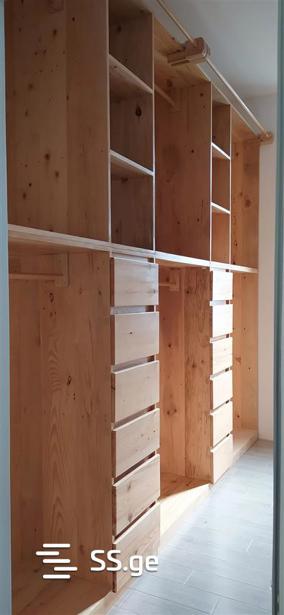
ხის ავეჯის დამზადება
Negotiable priceMore than 5 yearsTbilisi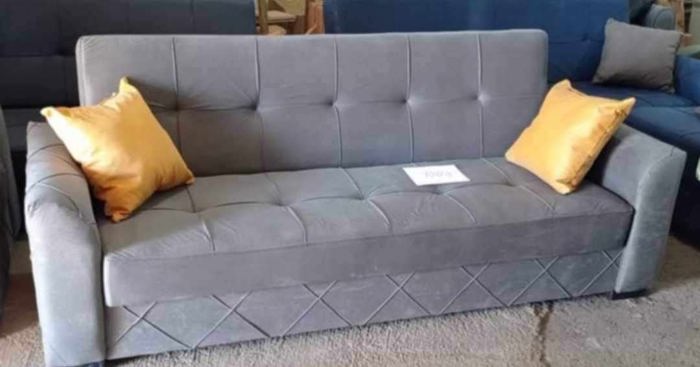
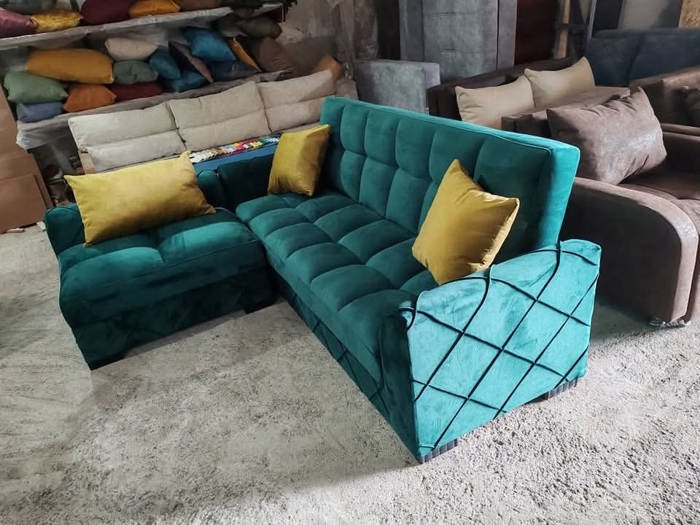
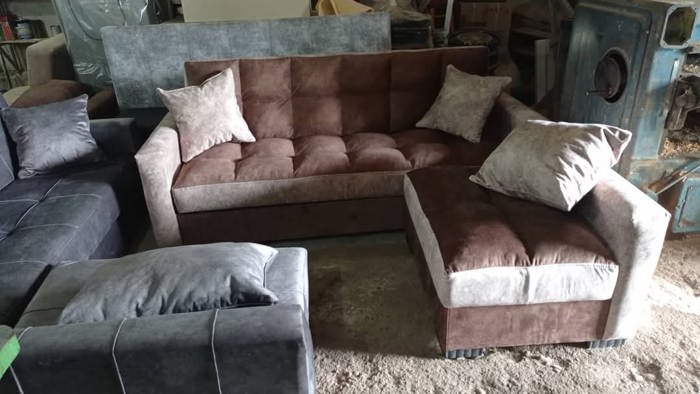
რბილი ავეჯის დამზადება
Negotiable priceMore than 5 yearsTbilisi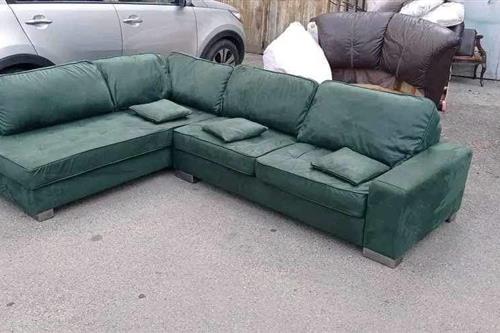
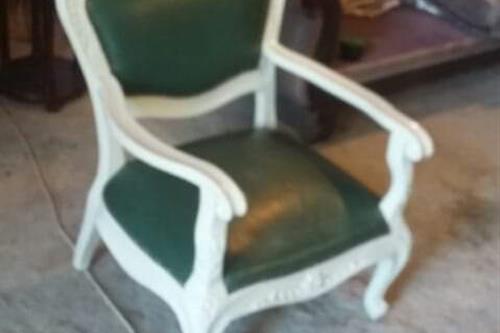
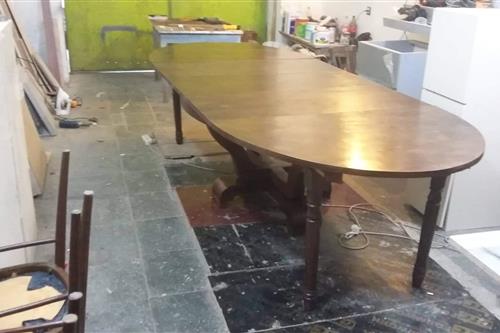
რბილი ავეჯის რესტავრაცია
Negotiable priceMore than 5 yearsTbilisi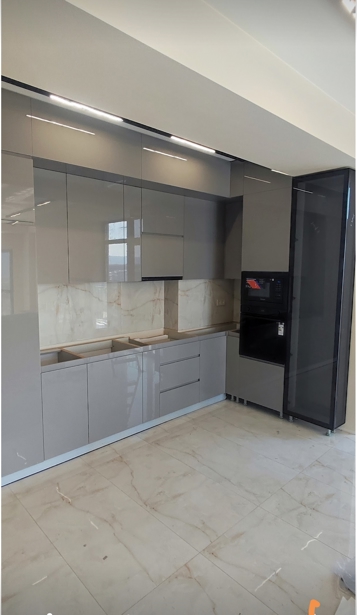
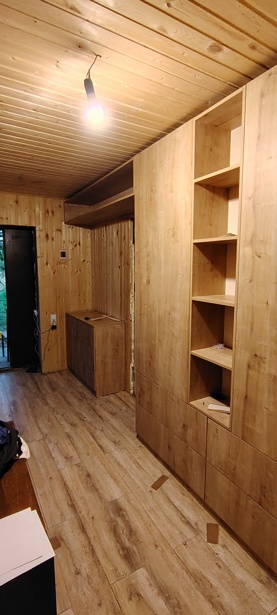
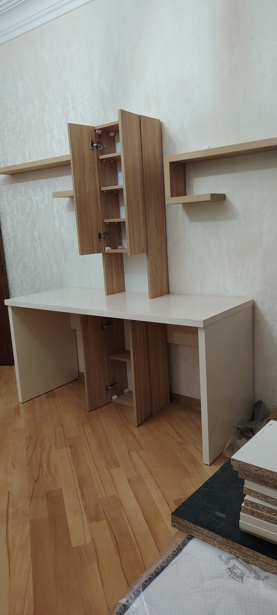
ავეჯის დამზადება
300 ₾ - From/per m²More than 5 yearsTbilisi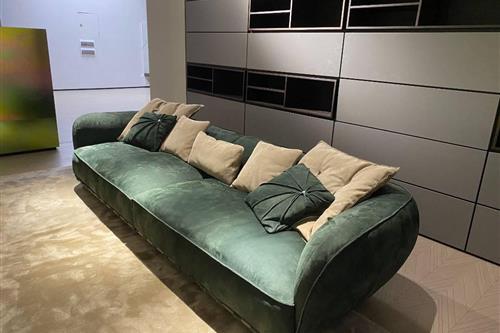
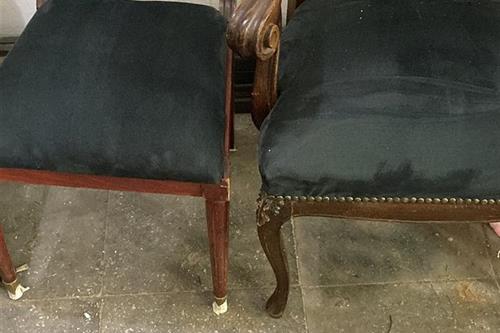
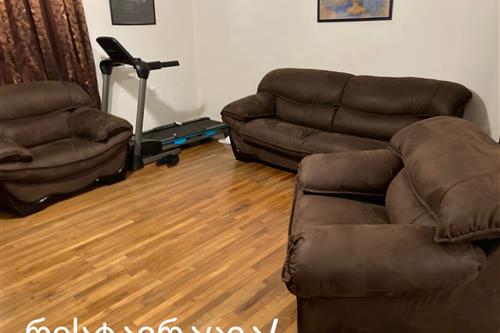
ავეჯის რესტავრაცია
Negotiable priceTbilisi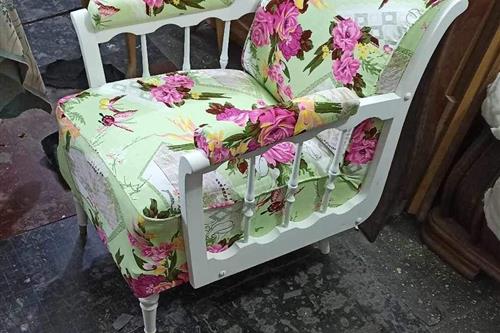
რესტავტაცია
Negotiable priceTbilisiFrequently Asked Questions - Furniture Making and Restoration
Laminate (LPB): A pressed wood-shaving board with a decorative finish. It is the most budget-friendly option but cannot withstand high humidity. MDF: A medium-density wood-fiber board that is significantly denser and more moisture-resistant. It is ideal for cabinet fronts (facades) as it allows for intricate routing (milling) and painting. Veneer: A thin sheet of natural wood bonded onto an MDF or plywood core. It looks and feels exactly like solid wood but is much lighter and does not warp under temperature fluctuations.
Minor repairs (removing scratches, swapping hinges, re-padding chairs) can be handled on-site. However, full sofa re-upholstery or the sanding and painting of wooden furniture requires specialized shop machinery and spray booths, producing heavy dust and fumes, which is why technicians typically transport the furniture to their workshops.
The cost of furniture is individual and is calculated according to 4 main components: Material: The price is determined by the type of facade (doors). The most budget is laminate ($LPB$), medium and high-class is moisture-resistant $MDF$ (with an acrylic, painted or veneered surface), and the most expensive is natural wood. Hardware and mechanisms: Hinges (push-pulls) and drawer guides significantly change the budget. Standard Chinese/Turkish mechanisms are available, while premium European brands (e.g. Blum, Hettich) with a self-closing system (soft-close) increase the price, although they have a decades-long warranty. Worktop (countertop): In the case of the kitchen and bar, laminated postforming is the most budget-friendly, artificial (acrylic) stone is average, and quartz and natural granite are of the highest category. Construction complexity: floor-to-ceiling cabinets, hidden handles, built-in LED lighting, and complex storage spaces increase both the cost of materials and the cost of the craftsman's labor.